Late Tax Return Fine in Australia: 2025-2026 ATO Penalties Guide

Late Tax Return Fine in Australia: 2025–2026 ATO Penalties Guide
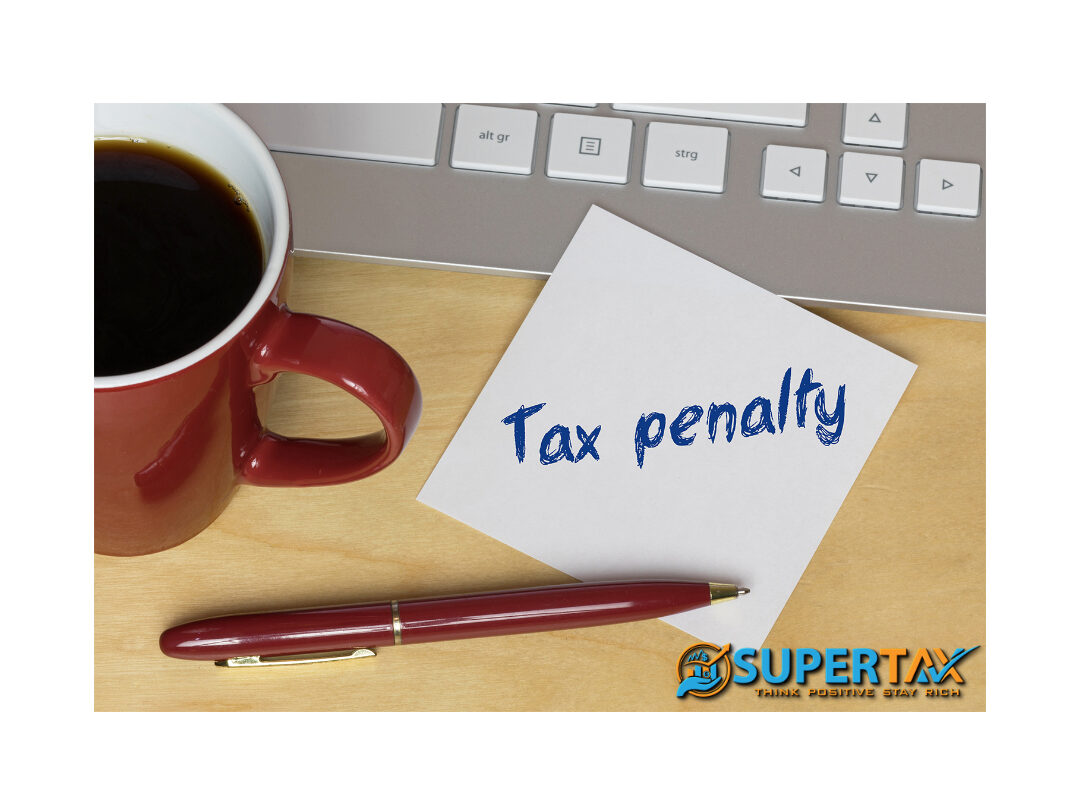
Missing the tax return deadline in Australia can lead to a late tax return fine from the Australian Taxation Office (ATO). This penalty is officially known as a Failure to Lodge (FTL) penalty and applies when an individual or business does not submit their tax return on time.
Many taxpayers assume they won’t face a penalty if they expect a refund. However, the ATO may still issue a fine because the penalty relates to late lodgement, not whether you owe tax.
This guide explains how late tax return penalties work in Australia, how they are calculated, and what you can do if you miss the deadline.
Key Takeaways
- A late tax return fine is officially called a Failure to Lodge (FTL) penalty.
- The penalty increases every 28 days the return is overdue.
- The fine is calculated using penalty units set by the Australian government.
- If you owe tax, the ATO may also charge a General Interest Charge (GIC) on unpaid amounts.
- Lodging your overdue return quickly stops further penalties.
- In some cases, you can request ATO penalty remission to reduce or remove the fine.
What Is a Late Tax Return Fine?
A late tax return fine is the penalty imposed by the Australian Taxation Office (ATO) when a taxpayer fails to lodge their tax return by the required due date.
The most common tax return deadline in Australia is 31 October for individuals who lodge their own return.
If you miss the deadline, two financial consequences may apply:
1. Failure to Lodge (FTL) Penalty
This penalty is applied simply because the tax return was submitted late.
2. General Interest Charge (GIC)
If you owe tax and do not pay it on time, the ATO will charge interest on the unpaid amount, calculated daily.
Even if you expect a refund, the FTL penalty may still apply if you fail to lodge your return.
How the ATO Calculates Late Tax Return Fines
The ATO calculates late lodgement penalties using penalty units.
Each 28-day period (or part of it) that your return is overdue adds one penalty unit to the fine.
For small entities (individuals or businesses with turnover under $1 million), the penalty is capped at five penalty units.
ATO Failure to Lodge Penalty Table
| Days Overdue | Penalty Units | Fine Amount (Approx.) |
| 1–28 days | 1 | $330 |
| 29–56 days | 2 | $660 |
| 57–84 days | 3 | $990 |
| 85–112 days | 4 | $1,320 |
| 113+ days | 5 (Maximum) | $1,650 |
Note: The dollar value of penalty units can change, so always check the latest ATO updates.
Higher Penalties for Businesses
The penalty increases for larger entities:
- Medium entities: penalty doubled
- Large entities: penalty multiplied by five
This means businesses can face much higher fines for late tax lodgement.
Example: How a Late Tax Return Fine Is Calculated
Imagine a taxpayer was required to lodge their tax return by 31 October, but they submitted it on 15 January.
Step 1: Calculate Days Overdue
November (30 days) + December (31 days) + January (15 days)
Total overdue days = 76 days
Step 2: Determine 28-Day Periods
76 days falls into the third 28-day block.
Step 3: Apply Penalty Units
The ATO applies 3 penalty units.
Step 4: Calculate the Fine
3 units × $330 = $990 late tax return fine
What To Do If Your Tax Return Is Late
If you realise your tax return is overdue, acting quickly can reduce penalties and avoid further complications.
1. Gather Your Financial Documents
Before lodging your return, collect important documents such as:
- Income statements or PAYG summaries
- Bank interest records
- Dividend and investment income statements
- Work-related expense receipts
- Private health insurance statements
- Business income records (if applicable)
2. Lodge Your Tax Return Immediately
Submitting the overdue tax return is the most important step. Once lodged, additional FTL penalties stop increasing.
You can lodge:
- Online through myGov
- Through a registered tax agent
3. Review Your Notice of Assessment
After lodging, the ATO will issue a Notice of Assessment that outlines:
- Tax payable or refund
- Late tax return penalties
- Any applicable interest charges
4. Contact the ATO if You Owe Money
If you cannot pay the full amount immediately, the ATO may allow a payment plan to spread the debt over manageable instalments.
Can You Reduce a Late Tax Return Fine?
Yes. In certain situations, the ATO may reduce or cancel the penalty through a process called penalty remission.
You must request remission and provide a valid explanation for the delay.
Common Reasons the ATO May Accept
- Natural disasters such as floods or bushfires
- Serious illness or medical emergencies
- Personal hardship or family tragedy
- Important records being lost or destroyed
Having a strong compliance history (lodging on time in previous years) may also improve the chances of having penalties reduced.
Interest Charges on Unpaid Tax (GIC)
If you owe tax and do not pay it by the due date, the ATO may charge a General Interest Charge (GIC).
Key features of the GIC include:
- Calculated daily
- Compounds over time
- Applies only if there is unpaid tax debt
This interest is separate from the Failure to Lodge penalty.
How Using a Tax Agent Can Help
Working with a registered tax agent can reduce the risk of late tax return penalties.
Tax agents often have access to extended lodgement deadlines under the ATO’s tax agent lodgement program.
Benefits include:
- Later tax return deadlines
- Professional preparation of your return
- Communication with the ATO on your behalf
- Assistance requesting penalty remission
In some cases, taxpayers may also be protected under ATO safe harbour rules if their agent fails to lodge on time despite receiving the required information.
Common Mistakes That Lead to Late Tax Return Fines
Many late lodgements happen due to simple misunderstandings.
Assuming You Don’t Need to Lodge
Even if you earned below the tax-free threshold, the ATO may still require a return or non-lodgement advice.
Ignoring ATO Notifications
ATO letters or myGov messages about outstanding returns should never be ignored.
Forgetting the Deadline
The 31 October lodgement deadline can easily be missed without reminders.
Using a tax agent or setting calendar alerts can help avoid this issue.
Late Tax Return Checklist
If your tax return is overdue, follow this quick checklist:
✔ Acknowledge that the return is late
✔ Gather all necessary financial records
✔ Lodge the return immediately
✔ Review your Notice of Assessment
✔ Contact the ATO if you cannot pay the debt
✔ Request penalty remission if you have a valid reason
Frequently Asked Questions
What is a late tax return fine in Australia?
A late tax return fine is a Failure to Lodge (FTL) penalty issued by the ATO when a tax return is not submitted by the due date.
Can I receive a penalty if I am due a refund?
Yes. The penalty applies for late lodgement, even if you do not owe tax.
What is the difference between FTL and GIC?
- FTL: penalty for lodging a tax return late
- GIC: interest charged on unpaid tax debts
How can I avoid late tax return penalties?
The best way is to lodge your return on time or use a registered tax agent, who may have access to extended deadlines.
What if I have several overdue tax returns?
You should lodge them as soon as possible. A tax professional can help prepare and submit multiple years of overdue returns.
Final Thoughts
Late tax return fines in Australia can add unnecessary stress and financial pressure. However, understanding how Failure to Lodge penalties work can help you take the right steps if you miss the deadline.
The best approach is to lodge your return as soon as possible, communicate with the ATO, and seek professional advice if needed.
At Supertax, we help individuals and businesses manage late tax returns, resolve Failure to Lodge penalties, and stay on track with tax deadlines. Connect with Supertax today for reliable support and professional tax assistance.
Other posts