How Capital Gains Work in an SMSF (2026 Guide)
How Capital Gains Work in an SMSF (2026 Guide)
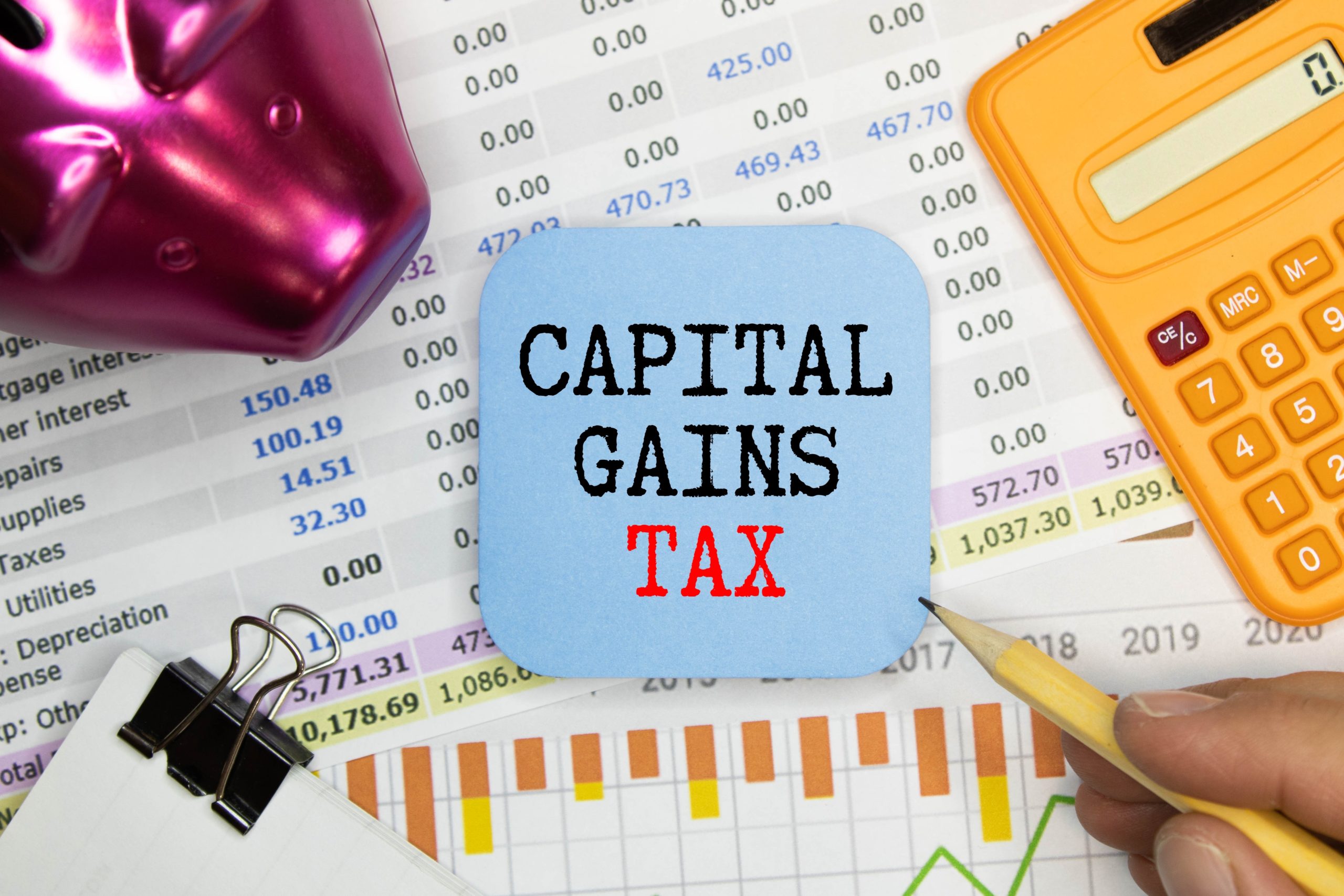
Managing a Self-Managed Super Fund (SMSF) involves more than just choosing investments — every transaction has tax implications. One of the most important areas to understand is capital gains tax (CGT).
When your SMSF sells an asset for more than its cost base, the profit is treated as a capital gain and becomes part of the fund’s taxable income. However, SMSFs benefit from concessional tax rates, and with the right strategies, trustees can significantly reduce the tax payable.
In this guide, we explain how capital gains work in an SMSF, how to calculate them step by step, and the common mistakes to avoid.
Key Takeaways
- Capital gains arise when an SMSF sells an asset for more than its cost base
- SMSFs generally pay 15% tax on capital gains
- Assets held for more than 12 months receive a one-third CGT discount
- Non-arm’s length income (NALI) can result in tax at 45%
- Pension-phase assets may qualify for 0% CGT under ECPI rules
What Is a Capital Gain in an SMSF?
A capital gain occurs when your SMSF sells an asset for more than the total cost of acquiring and holding it. This includes not just the purchase price, but also additional expenses such as legal fees, stamp duty, and improvement costs.
A capital loss occurs when the asset is sold for less than its cost base.
Common SMSF Assets That Trigger Capital Gains
- Residential and commercial property
- Shares (listed and unlisted)
- Managed funds
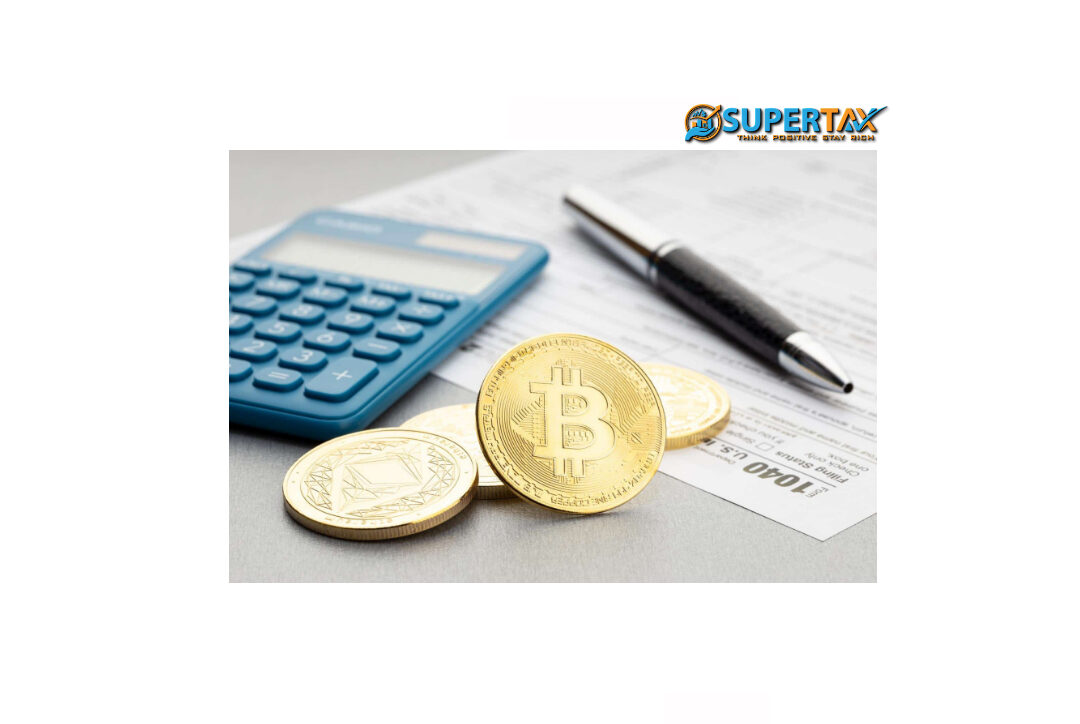
- Cryptocurrencies
- Collectables and personal-use assets
Capital gains are taxed differently from other income like rent, dividends, or interest, making it essential for trustees to understand CGT rules.
Example of a Capital Gain in an SMSF
Let’s say your SMSF purchases a residential property in Melbourne for $450,000. Over time, additional costs such as legal fees and improvements bring the total cost base to $470,000.
If the property is later sold for $600,000:
- Capital proceeds: $600,000
- Cost base: $470,000
- Capital gain: $130,000
From here, the trustee must determine eligibility for discounts, losses, and exemptions.
How to Calculate Capital Gains in an SMSF
Follow these steps to calculate CGT accurately:
Step 1: Identify the CGT Event
A CGT event occurs when an asset is sold, transferred, or otherwise disposed of.
Step 2: Calculate Capital Proceeds
This is the amount the SMSF receives from the sale.
Step 3: Determine the Cost Base
The cost base includes:
- Purchase price
- Legal fees and stamp duty
- Improvement and renovation costs
- Certain holding costs
Step 4: Apply Capital Losses
Capital losses from previous or current years can reduce capital gains. These losses cannot offset other income.
Step 5: Apply CGT Discount
If the asset is held for more than 12 months, the SMSF receives a one-third discount.
Step 6: Calculate Net Capital Gain
The final gain is included in the SMSF’s taxable income.
SMSF Capital Gains Calculation Example
John’s SMSF buys a property for $600,000 and sells it three years later for $700,000.
- Capital gain: $100,000
- One-third discount: $33,333
- Net capital gain: $66,667
- Tax at 15%: $10,000
| Type of Capital Gain | Tax Rate |
|---|---|
| Standard capital gain | 15% |
| Discounted gain (held >12 months) | Effective 10% |
| NALI capital gain | 45% |
| Pension phase (ECPI applies) | 0% |
How Non-Arm’s Length Income (NALI) Affects CGT
Non-arm’s length income applies when transactions are not conducted at market value. This can significantly increase the tax payable.
Situations That May Trigger NALI
- Buying assets below market value
- Selling assets above market value
- Receiving discounted or free services
- Related-party transactions not at commercial terms
Impact of NALI
- CGT discount does not apply
- Tax rate increases to 45%
- Must be reported separately in the SMSF return
How ECPI Reduces Capital Gains Tax
If your SMSF is in the pension phase, income and capital gains from assets supporting retirement income streams may be tax-free.
Important Points
- Full pension phase = 0% CGT
- Mixed phase = partial exemption based on actuarial percentage
- Timing of asset sale impacts exemption
Common CGT Mistakes SMSF Trustees Make
Even experienced trustees can make errors that increase tax liability:
- Poor record-keeping of cost base expenses
- Misclassifying improvements as repairs
- Ignoring carried-forward capital losses
- Entering related-party transactions incorrectly
- Assuming all pension assets are fully exempt
Avoiding these mistakes can help ensure compliance and reduce audit risks.
Strategies to Reduce CGT in an SMSF
Smart planning can minimise CGT:
- Offset gains with capital losses
- Hold assets for more than 12 months
- Maintain accurate cost base records
- Time asset sales strategically
- Ensure all transactions are at market value
Frequently Asked Questions
Who qualifies for 0% capital gains tax?
Your SMSF may qualify for 0% CGT if the asset supports a retirement-phase income stream for the full financial year under ECPI rules.
Does the 6-year CGT rule apply to SMSFs?
No. The 6-year rule applies to individuals, not SMSFs. SMSFs cannot claim the main residence exemption.
How much tax is payable on a $100,000 capital gain?
If held for more than 12 months:
- Discount: $33,333
- Taxable gain: $66,667
- Tax at 15%: $10,000
If in pension phase: tax payable may be $0.
Can capital losses reduce capital gains?
Yes. Capital losses can offset gains but cannot reduce other income. Unused losses can be carried forward indefinitely.
What records should SMSFs keep?
- Purchase and sale contracts
- Legal and stamp duty costs
- Improvement expenses
- Market valuations
- Transaction records
Need Help with SMSF Capital Gains?
Managing SMSF tax rules can be complex, especially when dealing with capital gains, NALI, and pension-phase exemptions. Getting expert advice ensures compliance while maximising your tax savings.
Contact Supertax Today
📍 Suite 1, 7 Bridge St, Werribee Victoria 3030, Australia
📞 (03) 7074 8818
📧 info@supertax.com.au
🌐 https://supertax.com.au/
Other posts