Is AI Bookkeeping Right for You? Pros, Cons & Smart Tips
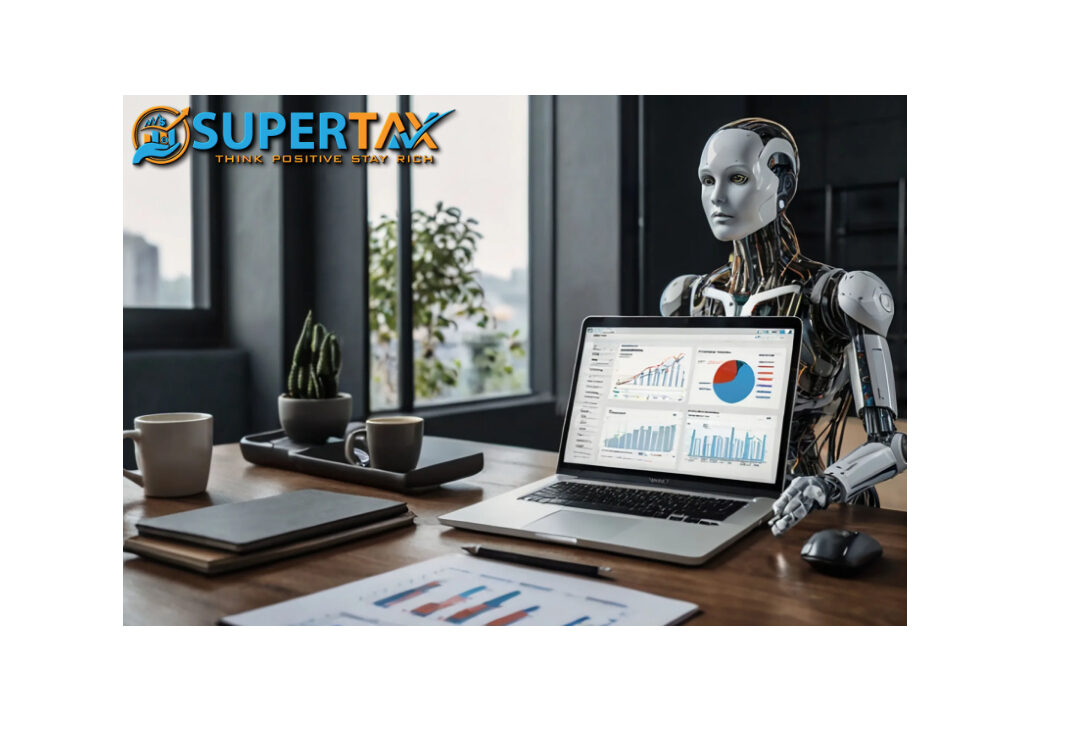
Is AI Bookkeeping Right for You? Pros, Cons & Smart Tips
Bookkeeping is one of the most time-consuming tasks for small business owners. From tracking expenses to reconciling accounts and preparing reports, it can quickly take hours out of your week.
That’s why many Australian businesses are now turning to AI bookkeeping software to automate their finances. But is it the right choice for your business?
In this guide, Supertax explains:
- What AI bookkeeping software is
- Benefits and limitations of automation
- AI vs human bookkeeper comparison
- Whether AI bookkeeping is right for you
What Is AI Bookkeeping Software?
AI bookkeeping software uses artificial intelligence and machine learning to automate financial processes.
It can:
- Categorise transactions automatically
- Match bank feeds with invoices
- Predict future expenses
- Generate real-time financial reports
Unlike traditional accounting systems, AI tools learn from your data and improve accuracy over time.
Popular tools include:
- Xero (AI features)
- QuickBooks AI
- Bench accounting
These platforms combine automation + cloud accounting, making bookkeeping faster and more efficient.
Benefits of AI Bookkeeping
✅ Save Time
AI reduces manual data entry and repetitive tasks.
✅ Reduce Errors
Automation minimises human mistakes in calculations and categorisation.
✅ Real-Time Insights
Get instant access to:
- Cash flow reports
- Profit & loss statements
- Expense tracking
✅ Scalability
AI systems handle increasing transactions without extra staff.
✅ Integration
Connect seamlessly with:
- E-commerce platforms
- Payment systems
- CRM tools
Limitations of AI Bookkeeping
❌ Limited Accuracy for Complex Tasks
AI may struggle with:
- Multi-currency transactions
- Inventory adjustments
- Complex accounting entries
❌ No Personalised Advice
AI cannot understand business-specific challenges or provide strategic insights.
❌ Compliance Risks
AI can generate reports but cannot guarantee ATO compliance or advise on BAS and tax strategies.
❌ Data Security Concerns
Cloud-based systems require strong security and trust in the provider.
❌ Subscription Costs
Advanced AI features may increase software costs.
AI vs Human Bookkeeper: Which Is Better?
👉 AI is Best If:
- You’re a solo business owner
- You have simple transactions
- You’re comfortable with technology
👉 Human Bookkeeper is Best If:
- You manage payroll or employees
- Your business has complex finances
- You need tax planning and compliance support
👉 Hybrid Approach (Recommended)
Combine:
- AI for automation
- A professional for review and strategy
This ensures efficiency + compliance + expert advice.
Signs You’re Ready to Switch to AI
You may benefit from AI bookkeeping if:
- You spend too much time on admin
- You manually track invoices and receipts
- Your system is outdated
- You want faster financial reporting
Final Thoughts
AI bookkeeping offers speed, automation, and efficiency—but it’s not a complete replacement for human expertise.
For most Australian businesses, the best solution is a hybrid model, combining AI tools with professional bookkeeping support.
Need Help with AI Bookkeeping?
At Supertax, we help small businesses across Australia implement AI bookkeeping solutions while ensuring full compliance with ATO requirements.
📞 Call Us: (03) 7074 8818
📧 Email: info@supertax.com.au
📍 Address: Suite 1, 7 Bridge St, Werribee Victoria 3030, Australia
Contact us today to streamline your bookkeeping and grow your business with confidence.
FAQs
Can I use AI for bookkeeping?
Yes, AI tools can automate transactions, categorisation, and reporting, especially for small businesses.
Will AI replace bookkeepers?
AI will automate routine tasks, but human expertise is still essential for compliance and strategy.
Is AI good for accounting?
AI improves efficiency and reduces errors but lacks personalised advice.
Is virtual bookkeeping worth it?
Yes, combining AI tools with virtual bookkeeping provides a flexible and cost-effective solution.
Other posts