How to Set Up a Family Trust in Australia (2025): Step-by-Step Registration Guide

How to Set Up a Family Trust in Australia (2025): Step-by-Step Registration Guide
Setting up a family trust can seem complicated. Legal documents, tax rules, trustees, and beneficiaries can make the process feel overwhelming. However, if your goal is to protect assets, manage family wealth, or reduce tax legally, learning how to register a family trust in Australia in 2025 is an important step.
At Supertax, we help individuals, families, and business owners structure their finances effectively. This guide explains the process of setting up a family trust in clear, simple terms so you can understand the legal steps and tax considerations involved.
What Is a Family Trust?
A family trust, often called a discretionary trust, is a legal structure that holds assets such as property, investments, or business income on behalf of a group of beneficiaries.
The trustee manages the trust and decides how income or assets are distributed to beneficiaries each year.
Family trusts are widely used in Australia for:
- Tax planning
- Asset protection
- Investment management
- Estate and succession planning
- Running family businesses
Many Australian families use this structure to manage wealth across generations while maintaining flexibility in how income is distributed.
Key Roles in a Family Trust
Every family trust involves several important roles.
Many professionals recommend using a corporate trustee because it provides stronger asset protection and easier succession planning.
Legal and ATO Requirements for Setting Up a Family Trust (2025)
To properly register and operate a family trust in Australia, several legal and tax steps must be completed.
1. Choose the Trustee
You must decide who will manage the trust. The trustee can be:
- An individual (over 18 years old)
- A company acting as a corporate trustee
Corporate trustees are often preferred because they provide better legal separation between personal and trust assets.
2. Prepare a Trust Deed
The trust deed is the most important document in the trust structure. It outlines:
- How the trust operates
- Who the beneficiaries are
- The powers and responsibilities of the trustee
This document should always be prepared by a qualified professional.
3. Settle the Trust
The trust is officially created when a settlor contributes a small initial amount (commonly $10) to the trustee. This amount becomes the trust’s first asset.
4. Apply for a TFN and ABN
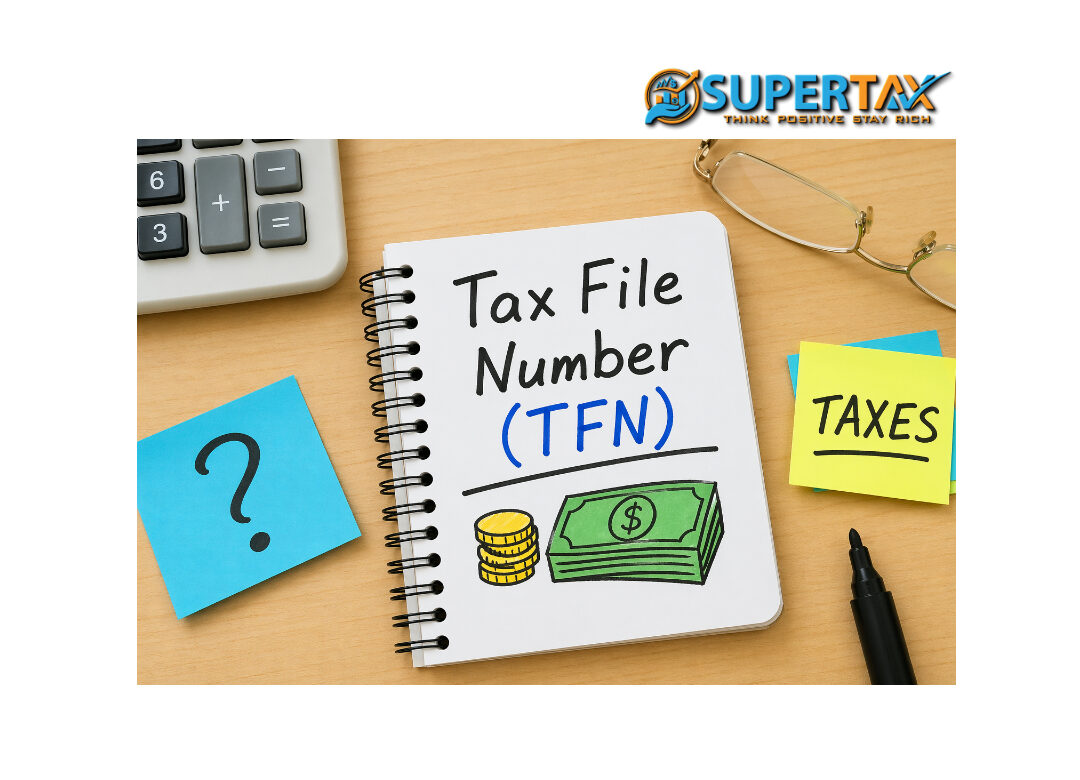
The trust must obtain its own Tax File Number (TFN) from the Australian Taxation Office.
If the trust will operate a business, it will also need an Australian Business Number (ABN).
5. Register for GST (If Required)
If the trust expects annual turnover of $75,000 or more, it must register for Goods and Services Tax (GST).
6. Open a Trust Bank Account
A dedicated bank account in the trust’s name must be opened. Trust funds should always remain separate from personal or business accounts.
7. Pay Stamp Duty (If Required)
Some Australian states require the trust deed to be stamped and a fee paid. Requirements vary depending on the state.
In Victoria and New South Wales, stamp duty typically applies to trust deeds.
Common Uses of Family Trusts
Family trusts are commonly used for different financial and business purposes.
Family Business Structure
A family trust can operate a small business and distribute profits among family members. This allows income to be distributed to beneficiaries with lower tax rates.
Property Investment
A trust can purchase and manage investment properties. Rental income can be distributed strategically among beneficiaries.
Asset Protection
Professionals and business owners sometimes use family trusts to protect personal assets from potential legal claims.
What Happens If a Trust Is Not Set Up Correctly?
Setting up a trust incorrectly can create serious tax and legal risks.
No TFN or ABN
Without a TFN or ABN, the trust cannot lodge tax returns or legally distribute income.
Invalid Trust Deed
An incorrect trust deed may invalidate the trust structure and remove tax benefits.
Incorrect Beneficiary Structure
Improperly naming beneficiaries can limit flexibility or cause compliance issues.
Professional advice is strongly recommended when establishing a trust.
Benefits of a Family Trust
Family trusts offer several advantages when structured correctly.
Income Distribution
Income can be distributed to beneficiaries in lower tax brackets, reducing the overall family tax burden.
Asset Protection
Assets owned by the trust are generally separate from personal ownership, offering protection against legal claims.
Long-Term Wealth Planning
Trusts provide a structured method for managing and passing wealth across generations.
Common Mistakes to Avoid
When setting up a trust, avoid these common mistakes:
- Using free or generic trust deed templates
- Failing to apply for a TFN or lodge trust tax returns
- Incorrectly structuring beneficiaries
- Mixing personal funds with trust funds
Proper documentation and compliance are essential.
Professional Tip
Many financial experts recommend using a corporate trustee and obtaining professional advice during setup.
Working with experienced accountants ensures the trust structure aligns with both legal requirements and tax planning goals.
At Supertax, we assist clients with:
- Family trust setup
- Trust tax compliance
- Business structuring advice
- Ongoing accounting and tax services
Frequently Asked Questions
How much does it cost to set up a family trust in Australia?
A professionally prepared family trust usually costs between $1,000 and $2,000, depending on legal documentation and state fees.
Do I need a lawyer to establish a trust?
While not mandatory, professional assistance from accountants or legal specialists is strongly recommended to ensure compliance.
Is a family trust the same as a discretionary trust?
Yes. In Australia, the term family trust usually refers to a discretionary trust, where the trustee decides how income is distributed.
Can I be both a trustee and beneficiary?
Yes, but the structure must be carefully prepared to avoid conflicts of interest and maintain legal validity.
Do family trusts pay tax?
Trusts generally do not pay tax if income is distributed to beneficiaries. Instead, beneficiaries pay tax on their share at their personal tax rates.
Conclusion
Family trusts are powerful tools for asset protection, tax planning, and long-term wealth management. However, they must be set up correctly to ensure compliance with Australian tax laws.
Working with experienced professionals helps ensure your trust structure is legally sound and financially effective.
If you are considering setting up a family trust, the team at Supertax can guide you through the process and help you build the right structure for your financial goals.
📞 Phone: (03) 7074 8818
📧 Email: info@supertax.com.au
🌐 Website: http://www.supertax.com.au/
Other posts