Fringe Benefits Tax (FBT) Reduction Strategies Every Business Should Know
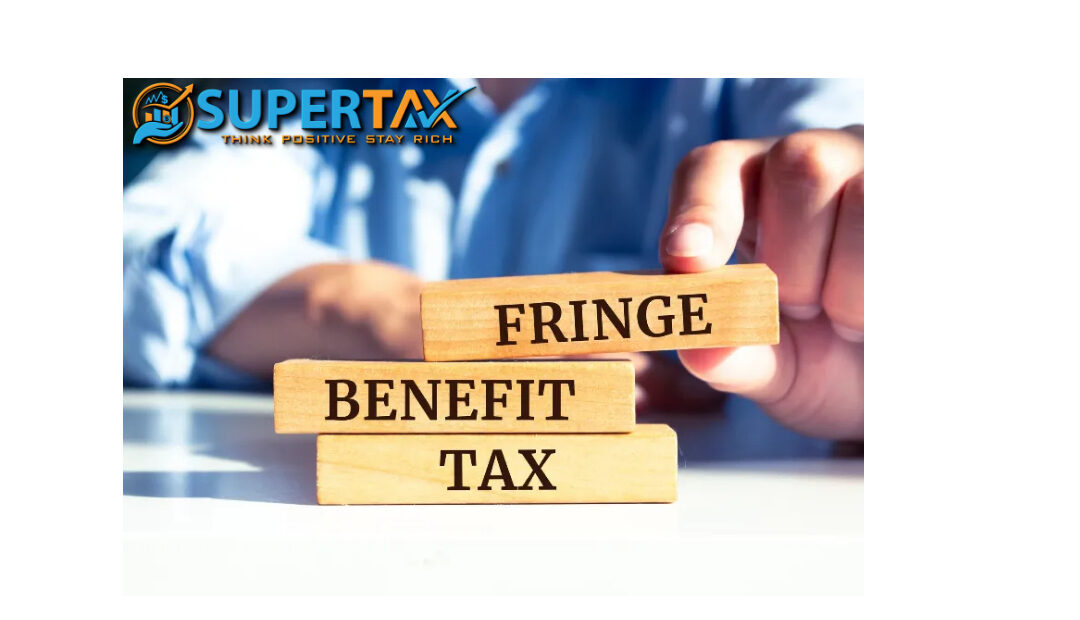
Fringe Benefits Tax (FBT) Reduction Strategies Every Business Should Know
Reducing your Fringe Benefits Tax (FBT) liability is essential for managing business costs effectively while staying compliant with Australian Taxation Office (ATO) regulations. By understanding available concessions, exemptions, and strategic alternatives, businesses can significantly minimise their FBT obligations.
In this blog post, we’ll discuss how you can reduce your FBT liability using alternatives to fully taxable fringe benefits or by offering concessional benefits.
Providing Benefits Eligible for Employee Deduction
You don’t incur a fringe benefits tax (FBT) liability if you provide benefits to your employee that they could claim as an income tax deduction if they had paid for it themselves. This is known as the ‘otherwise deductible’ rule.
To understand tax matters and stay compliant with ATO requirements, it is advisable to seek guidance from a trusted accounting firm.
If only a proportion of the expense would have been deductible for the employee, you can minimise the taxable value of the fringe benefit by that same proportion.
You can either:
- Get a declaration from the employee indicating how much of the cost is deductible
- Or, if approved by the Commissioner through a legislative instrument, use the FBT alternative record-keeping method instead of the employee declaration
Keep the declaration with your business records—you do not need to submit it to the ATO. To ensure all records are properly maintained and organised, you may consider working with a professional bookkeeper for small businesses.
Using Employee Contributions
Using employee contributions towards the cost of a fringe benefit is another effective way to reduce your FBT liability.
The contribution is typically:
- A cash payment to the employer, or
- Paid to the person who provided the benefit
For most fringe benefits, the taxable value can be reduced by the employee contribution amount.
However, there is an exception:
If the benefit is a tax-exempt body entertainment fringe benefit, you cannot reduce its value using employee contributions paid directly to you.
Important Note:
You should consider the income tax implications:
- The cost of providing fringe benefits (including employee contributions) is usually tax-deductible for the employer
- Any employee contributions received must be included in your assessable income
Providing a Cash Bonus
Providing a cash bonus instead of a fringe benefit is a simple way to avoid FBT liability.
- No FBT is payable by the employer
- The employee pays income tax on the bonus instead
This option can be more tax-effective depending on your business structure and employee circumstances.
Providing Exempt or Concessional Benefits
Various exemptions and concessions are available that can help reduce or eliminate FBT liability. These apply to different categories of fringe benefits and are particularly beneficial when structured correctly.
Work-Related Items
Certain work-related items are exempt from FBT when primarily used for work purposes.
Examples include:
- Portable electronic devices (phones, laptops, tablets, GPS devices, calculators, portable printers)
- Protective clothing
- Software
- Briefcases
- Tools of trade
Generally, only one similar device per FBT year is exempt unless it is a replacement.
However, small businesses with turnover under $50 million can provide multiple similar devices without triggering FBT.
Minor Benefits Exemption
A benefit is exempt from FBT if:
- Its value is less than $300, and
- It is considered unreasonable to treat it as a fringe benefit
This is useful for occasional low-value perks provided to employees.
Emergency Assistance
FBT exemptions apply to emergency-related support, including:
- First aid or emergency healthcare
- Food and meals
- Accommodation
- Transport
- Household goods
- Clothing
- Temporary repairs
Short-term benefits provided during emergencies, such as repairs to a damaged home, are also exempt.
Retraining and Reskilling Exemption
Education or training provided to redundant employees may be exempt if:
- It supports employees being redeployed or seeking new employment
- The employer meets obligations under the Fair Work Act 2009
- The training is not related to the employee’s current role
This helps employees transition into new roles without creating FBT liabilities.
Taxi, Ride-Sourcing & Public Transport
Certain travel benefits are exempt from FBT:
- Taxi or ride-sourcing trips to or from the workplace
- Travel due to illness or injury
- Necessary travel between locations
- Discounted public transport (outside salary packaging arrangements
Car Parking
You are not required to pay FBT on employee car parking if:
- You are a small business,
- You are an exempt employer, and
- The employee has a disability
Final Thoughts
Reducing your FBT liability requires careful planning, accurate record-keeping, and a clear understanding of available exemptions and concessions.
By applying strategies such as:
- The otherwise deductible rule
- Employee contributions
- Cash bonuses
- Exempt and concessional benefits
—you can effectively minimise your FBT obligations while remaining compliant.
Get Expert Help from Supertax
Navigating FBT rules can be complex. If you want to ensure compliance while reducing your tax burden, professional guidance is essential.
🌐 Website: https://supertax.com.au/
📍 Address: Suite 1, 7 Bridge St, Werribee Victoria 3030, Australia
📞 Phone: (03) 7074 8818
📧 Email: info@supertax.com.au
You can also search for a “tax accountant near me” to arrange an in-person consultation and explore the best ways to reduce your FBT liability.
Other posts