SMSF Property Investment Australia: Tax Benefits & Key Considerations

SMSF Property Investment Australia: Tax Benefits & Key Considerations
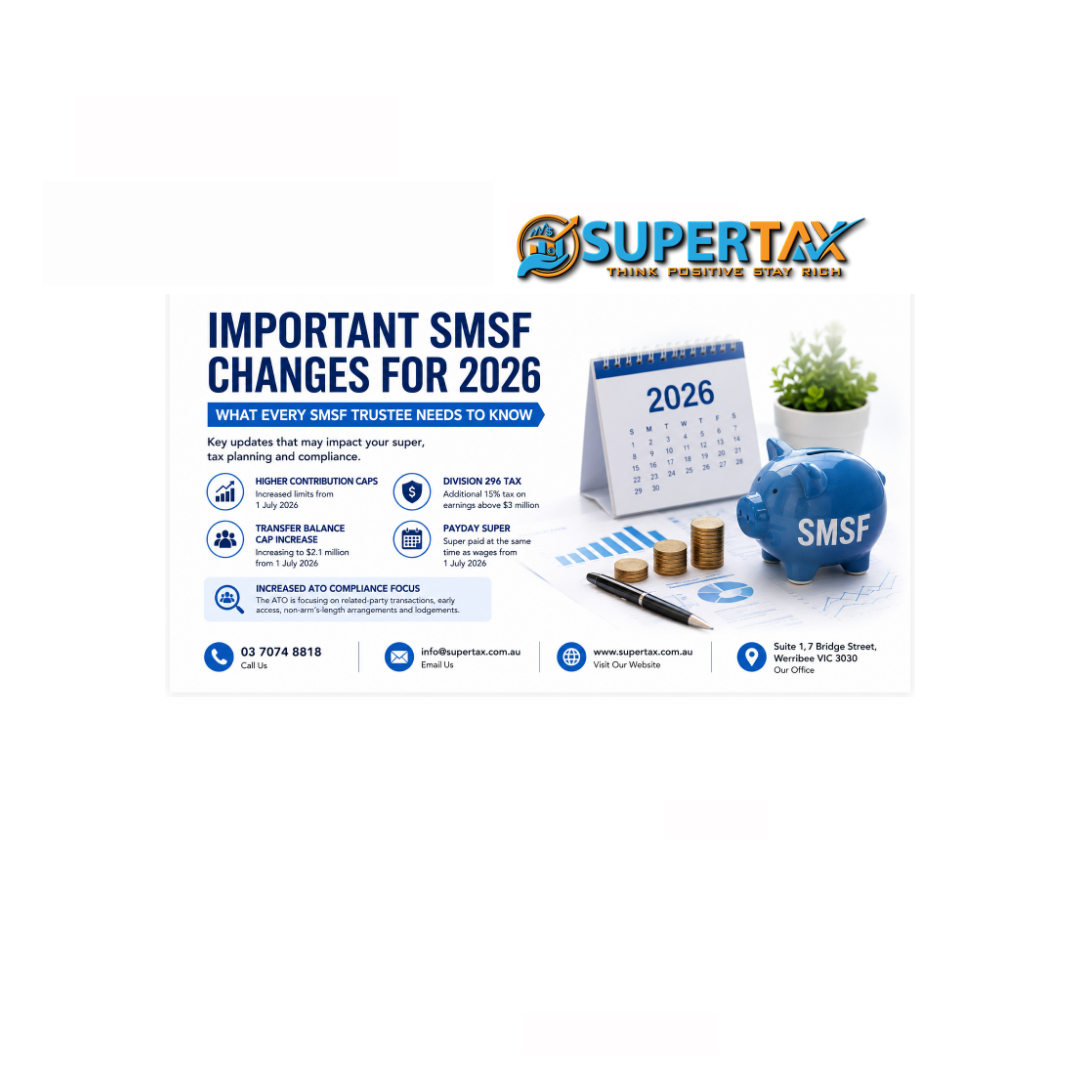
Investing in property through a Self-Managed Super Fund (SMSF) has become increasingly popular among Australians looking to build long-term retirement wealth. Property offers a tangible asset and the potential for steady income, but it also comes with strict regulations and financial risks.
While SMSF property investment can provide significant tax advantages, it requires careful planning, compliance with Australian Taxation Office (ATO) rules, and a strong understanding of the risks involved.
This guide explains everything you need to know about SMSF property investment, including rules, tax benefits, risks, and key considerations.
A Quick Summary of SMSF Property Investment
- Strict Regulations Apply: An SMSF can invest in property, but only under Australian Taxation Office (ATO) compliance requirements.
- Borrowing is Restricted: Any borrowing must be structured through a Limited Recourse Borrowing Arrangement (LRBA).
- Sole Purpose Test: The property must be held solely to provide retirement benefits to fund members.
- Tax Advantages: Rental income and capital gains receive concessional tax treatment, with potential tax-free earnings in the pension phase.
- Key Considerations: SMSF property investment involves important factors such as liquidity, diversification, and ongoing compliance obligations that must be carefully managed.
What Is SMSF Property Investment?
A Self-Managed Super Fund (SMSF) allows you to manage your own retirement savings and make direct investment decisions.
One common strategy is purchasing property through the SMSF. The fund owns the property, and all income and expenses are managed within the super environment.
- Residential Property: Cannot be used or rented by members or related parties
- Commercial Property: Can be leased to your own business under strict market conditions
All SMSF activities are regulated by the ATO, and trustees are fully responsible for compliance.
ATO Rules You Must Follow
SMSF property investment is highly regulated. Key rules include:
✔ Sole Purpose Test
The property must only serve retirement benefits — no personal use allowed.
✔ Arm’s-Length Transactions
All dealings must reflect true market value — no special deals.
✔ Related Party Restrictions
Members and relatives cannot live in or rent residential SMSF property.
✔ No Personal Use
The property cannot be used for holidays or personal purposes.
Failure to follow these rules can lead to heavy penalties and disqualification as a trustee.
Borrowing Through SMSF (LRBA Rules)
An SMSF cannot take out a standard mortgage. The only way to borrow for property is through a Limited Recourse Borrowing Arrangement (LRBA).
This structure protects other assets in your fund. If the loan defaults, the lender can only claim the property itself, not your other super investments.
These SMSF borrowing rules for property are strict and must be followed precisely.
Limited Recourse Borrowing Arrangement (LRBA)
Key features:
- Loan is tied only to the property
- Other SMSF assets are protected
- Property held in a separate trust (bare trust)
- Loan repayments must come from SMSF funds
LRBAs are complex and must be structured correctly to remain compliant.
Tax Benefits of SMSF Property Investment
One of the biggest advantages is favourable tax treatment:
| SMSF Phase | Rental Income Tax | Capital Gains Tax |
|---|---|---|
| Accumulation | 15% | 10% (if held >12 months) |
| Pension Phase | 0% | 0% |
👉 In retirement phase, both rental income and capital gains can be completely tax-free.
Key Risks to Consider
Despite the benefits, SMSF property investment carries significant risks:
⚠ Lack of Diversification
A large portion of your super may be tied to one asset.
⚠ Liquidity Issues
Property is not easily sold, making cash flow management difficult.
⚠ Market Risk
Property values can fall, impacting your retirement savings.
⚠ Loan Repayment Risk
Missed repayments can lead to loss of the property.
⚠ Compliance Risk
Strict ATO rules mean mistakes can result in serious penalties.
Example: SMSF Buying Commercial Property
A business owner uses their SMSF to purchase their office space:
- Property Value: $750,000
- SMSF Contribution: $250,000
- Loan (LRBA): $500,000
- Rental Income: Paid by the business at market rates
The rent is taxed at only 15% inside the SMSF, offering significant tax savings compared to personal ownership.
Checklist Before You Invest
Before buying property through your SMSF, ensure:
✔ Investment strategy allows property
✔ Trust deed permits borrowing
✔ LRBA structure is compliant
✔ Independent valuation is obtained
✔ Professional advice is taken
Common SMSF Property Mistakes
Avoid these common errors:
❌ Renting property to family members
❌ Using property for personal purposes
❌ Incorrect loan structures
❌ Buying below market value
❌ Using borrowed funds for renovations
These mistakes can lead to ATO penalties and compliance issues.
When SMSF Property Investment Makes Sense
This strategy may suit you if:
✔ You have a strong super balance
✔ You want to buy business premises
✔ You have a long-term investment plan
✔ You understand compliance responsibilities
FAQs
Can an SMSF buy residential property?
Yes, but it cannot be used or rented by members or relatives.
Can I live in my SMSF property?
No, this is strictly prohibited.
What tax does SMSF pay on property?
15% in accumulation phase, 0% in pension phase.
Can SMSF borrow money?
Yes, only through an LRBA structure.
Final Thoughts
Using an SMSF to invest in property can be a powerful wealth-building strategy, but it is not suitable for everyone. The benefits of tax savings must be balanced against the risks of poor diversification, liquidity constraints, and strict compliance obligations.
At Supertax, we help you navigate these complexities with expert advice tailored to your financial goals.
👉 Before investing, always seek professional guidance to ensure your SMSF strategy is compliant, tax-effective, and aligned with your long-term retirement plan.
👉 Get expert support and peace of mind today.
📍 Suite 1, 7 Bridge St, Werribee Victoria 3030, Australia
📞 (03) 7074 8818
📧 info@supertax.com.au
🌐 https://supertax.com.au/
Other posts