How to Correct Fuel Tax Credit Errors on Your BAS

How to Correct Fuel Tax Credit Errors on Your BAS
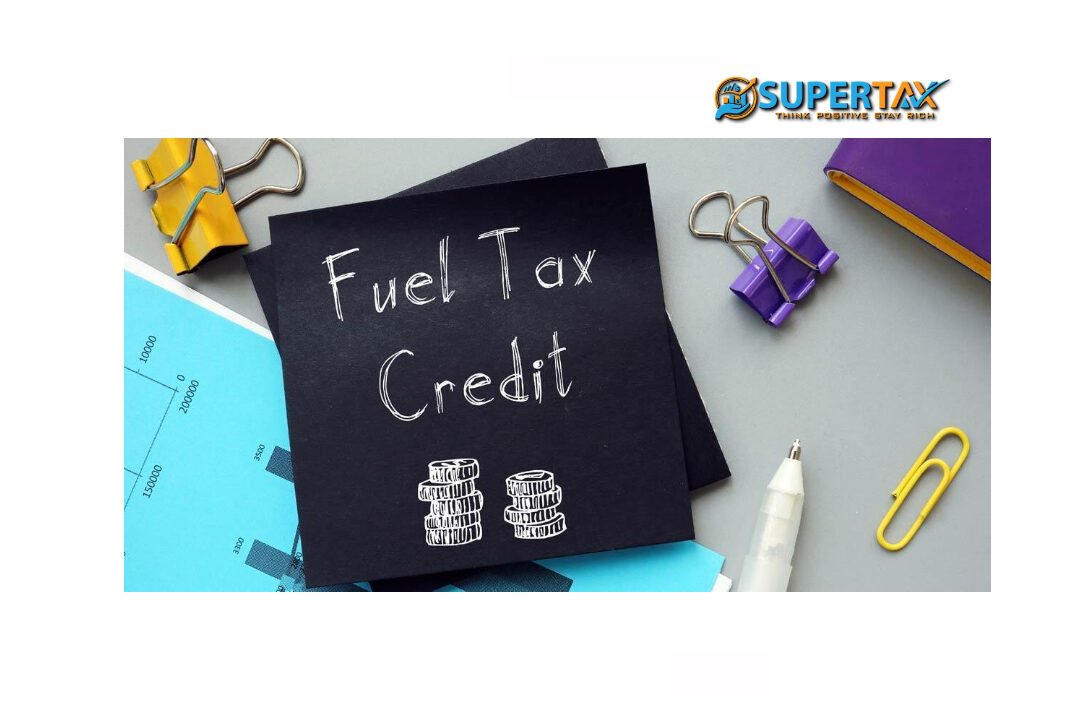
Fuel tax credits can provide significant savings for Australian businesses that use fuel in their operations. However, even a small mistake when claiming fuel tax credits on your Business Activity Statement (BAS) can create compliance issues.
If you realise you have made an error, don’t panic. Understanding how to correct the mistake promptly can help you stay compliant with the
Australian Taxation Office, avoid penalties, and ensure you claim the correct amount.
In this guide, we explain what fuel tax credits are, when adjustments are required, and how to correct errors in your BAS.
What Are Fuel Tax Credits?
Fuel tax credits allow eligible businesses to claim back the fuel tax (excise or customs duty) included in the price of fuel used for business activities.
Businesses may be eligible to claim fuel tax credits when fuel is used in:
- Machinery
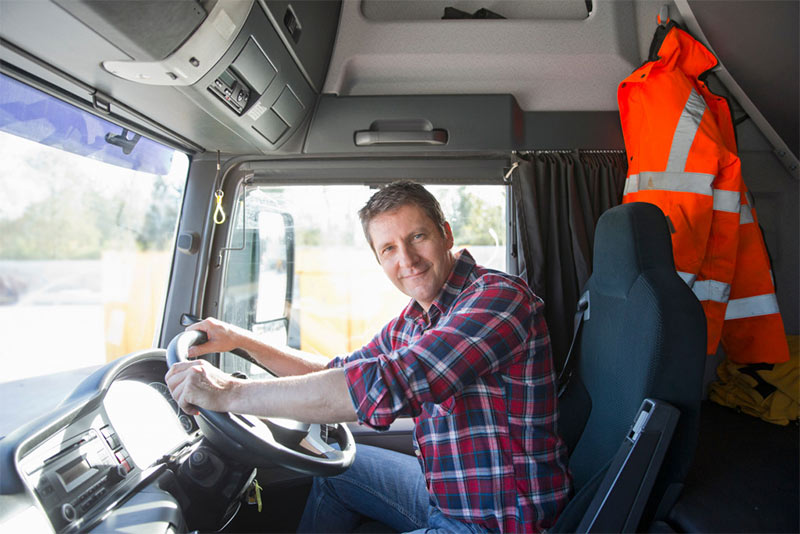
- Heavy vehicles
- Plant and equipment
- Light vehicles travelling off public roads or on private roads
The amount of fuel tax credit you can claim depends on:
- The type of fuel used
- The date the fuel was purchased
- How the fuel is used in business activities
Fuel tax credit rates change regularly, so it’s important to check the latest rates from the
Australian Taxation Office before lodging your BAS.
Activities That Do Not Qualify
Some fuel uses are not eligible for fuel tax credits. For example:
- Fuel used in vehicles with a gross vehicle mass of 4.5 tonnes or less travelling on public roads
Understanding these rules helps ensure your claims remain compliant.
When Is an Adjustment Required?
An adjustment may be required if the actual use of the fuel differs from the original intention when the claim was made.
For example:
- You intended to use fuel in machinery but instead used it in a vehicle that does not qualify for the same credit rate.
- Fuel was originally claimed for off-road use but was later used on public roads.
In these cases, your fuel tax credit entitlement changes, and you must adjust your BAS in the appropriate reporting period.
When an Error Occurs in Your BAS
An error occurs when the fuel tax credit amount reported on your BAS was incorrect at the time of lodgment.
Common reasons for BAS errors include:
- Claiming credits for ineligible fuel
- Using the wrong fuel tax credit rate
- Calculation mistakes
- Data entry or transcription errors
If you identify a mistake in a previous BAS, you must calculate the difference and correct it.
This could involve:
Over-Claimed Credits
You received more fuel tax credits than you were entitled to.
Under-Claimed Credits
You received less fuel tax credits than you were eligible for, often due to using an incorrect rate.
Correcting the error ensures your BAS remains accurate and compliant with tax regulations.
Record-Keeping for Fuel Tax Credits
Accurate records are essential for calculating and supporting fuel tax credit claims.
Your records must:
- Show the amount of fuel purchased and used in business activities
- Include supporting calculations
- Be in writing, either electronic or paper
- Be in English or translated into English
- Be kept for at least five years
Maintaining clear records can help protect your business in case of a review by the
Australian Taxation Office.
Documents You Should Keep
To support your fuel tax credit claims, you should keep:
- Tax invoices for fuel purchases
- Records showing how fuel was used in business operations
- Contracts or documents showing business activities involving fuel
- GPS or logbook records for heavy vehicles operating both on and off public roads
Businesses claiming less than $10,000 in fuel tax credits annually may be eligible to use simplified record-keeping methods.
However, accurate documentation is still required to support claims.
If your records do not support your claim, the ATO may require you to repay some or all of the credits, along with potential penalties or interest.
Common Fuel Tax Credit Mistakes
Many businesses unintentionally make mistakes when claiming fuel tax credits.
Common issues include:
- Using incorrect fuel tax credit rates
- Claiming fuel used for non-eligible activities
- Poor record-keeping
- Incorrect BAS reporting
Working with a professional accountant can help reduce these risks.
How Supertax Can Help With Fuel Tax Credits and BAS
Understanding fuel tax credits and BAS corrections can be complex, especially for small businesses operating heavy vehicles, machinery, or equipment.
At Supertax, we help businesses manage their tax obligations while ensuring they claim all eligible credits.
BAS Lodgement Services
Our team prepares and lodges accurate Business Activity Statements (BAS), ensuring fuel tax credits are calculated correctly.
Fuel Tax Credit Calculations
We review your business operations and determine the correct fuel tax credit rates and eligible claims.
BAS Error Corrections
If you have made a mistake on a previous BAS, we can help:
- Identify the error
- Calculate the adjustment
- Correct the BAS with the ATO
Record-Keeping Support
We assist businesses with implementing proper bookkeeping systems so that fuel purchases and usage are accurately recorded.
ATO Compliance Assistance
Supertax ensures your fuel tax credit claims align with the requirements of the
Australian Taxation Office to reduce compliance risks.
Contact Supertax for Fuel Tax Credit Support
If you are unsure about your fuel tax credit claims or believe you may have made a mistake on your BAS, professional advice can save your business time and money.
Supertax provides expert accounting and tax support for businesses across Australia.
Our services include:
- BAS preparation and lodgement
- Fuel tax credit calculations
- Business accounting and bookkeeping
- Tax planning and compliance
- ATO support and advice
Get Expert Help Today
📞 Phone: (03) 7074 8818
📧 Email: info@supertax.com.au
🌐 Website: www.supertax.com.au
Our experienced accountants can help you correct fuel tax credit mistakes, maximise eligible claims, and stay compliant with Australian tax regulations
Other posts