Division 296 Super Tax Starts July 2025: What Every Investor & Expat Needs to Know

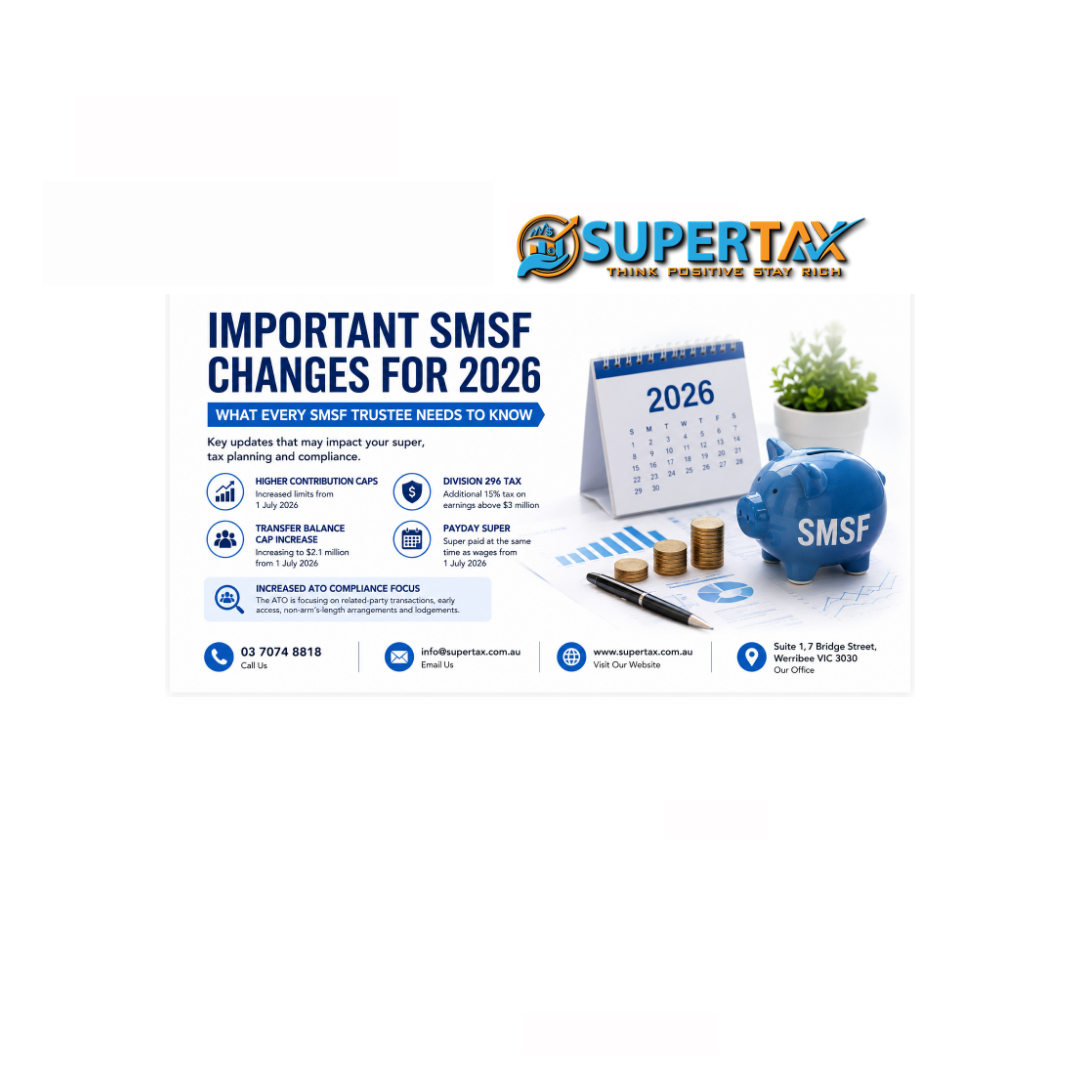
Following the Labor Government’s decisive re-election victory in May 2025, Prime Minister Anthony Albanese confirmed the introduction of the controversial Division 296 tax. From 1 July 2025, Australians with superannuation balances exceeding $3 million will face an additional 15% tax on earnings attributable to the excess portion.
While this measure is intended to generate revenue and promote equity in the superannuation system, its structure and scope have raised serious concerns—particularly among expats and high-balance investors.
💡 What Is Division 296 Tax?
Division 296 is a newly legislated tax, separate from existing personal and superannuation tax regimes. It is not a reform or adjustment to current rates—it’s a brand-new layer of tax targeting individuals with large superannuation balances.
✅ Key features of Division 296 include:
- Applies to individuals with total superannuation balances above $3 million
- Calculated annually on the proportion of the balance above the threshold
- Captures both realised and unrealised gains
- A flat tax rate of 15% on calculated “earnings”
- Applies regardless of tax residency
Crucially, the definition of “earnings” under Division 296 includes unrealised gains—a major departure from traditional Australian tax principles, which generally only tax income and realised capital gains.
⚠️ Why This Matters
1. Taxing Unrealised Gains
Division 296 applies even if the gains are only on paper. If your super fund’s value increases—without any assets being sold—you could still receive a tax bill. This raises the risk of paying tax on gains that may never materialise.
2. Non-Indexed Threshold
The $3 million threshold is not indexed to inflation or investment returns, meaning more Australians will fall into this tax bracket over time due to compounding.
3. No Refunds for Negative Returns
If your super balance falls in future years, you won’t receive a refund for tax previously paid on unrealised gains that have since reversed.
4. Cash Flow Challenges
You may be required to sell assets to fund a tax liability based on growth you haven’t monetised—creating liquidity and timing risks.
🌍 Why Australian Expats Should Pay Attention
- Division 296 has specific implications for Australians living overseas:
- Residency doesn’t matter: The tax is based on your super balance, not where you live.
- Currency risk: A falling AUD could inflate foreign assets, pushing you over the threshold.
- Double taxation: Some countries (e.g., the US) don’t recognise super as tax-exempt, and Division 296 tax won’t be eligible for foreign tax credits.
- Valuation stress for SMSFs: Accurate, regular valuations for property and unlisted assets will become essential—adding complexity and cost.
🔢 Step-by-Step Division 296 Tax Calculation
✅ Step 1: Check if Your Super Balance Exceeds $3 Million
At 30 June each year, if your total super balance exceeds $3 million, Division 296 applies.
✅ Step 2: Calculate “Earnings” for Division 296
Not your typical income—Division 296 defines earnings as:
Earnings = Change in total super balance – Contributions + Withdrawals
This includes unrealised gains.
✅ Step 3: Determine Proportion Above $3 Million
Proportion = (Total Super Balance – $3 million) / Total Super Balance
✅ Step 4: Multiply Earnings by the Proportion
Taxable Earnings = Earnings × Proportion Above $3m
✅ Step 5: Apply the 15% Division 296 Tax
Division 296 Tax = Taxable Earnings × 15%
📊 Examples
Example 1 – No Contributions or Withdrawals
Opening balance: $5 million
Closing balance: $5.5 million
Contributions/Withdrawals: $0
Earnings = $500,000
Proportion above $3m = 45.45%
Taxable earnings = $227,250
Division 296 tax = $34,087.50
Example 2 – With Contributions
Opening balance: $3.2 million
Closing balance: $3.5 million
Contributions: $30,000
Earnings = $270,000
Proportion above $3m = 14.29%
Taxable earnings = $38,583
Division 296 tax = $5,787.45
🔄 Long-Term Policy and Economic Impacts
- Loss of confidence in super as a reliable, long-term tax-effective strategy
- Risk of reduced capital flows into super, affecting business investment
- Sets a precedent for taxing unrealised gains beyond super in future reforms
💡 Strategies to Consider
- Super splitting with a spouse to balance assets
- Capping contributions once nearing the $3m threshold
- Keeping volatile assets outside super
- Exploring family trusts, investment companies, or bonds
- Currency management for internationally exposed portfolios
- SMSF valuations: Update regularly and with defensible market methods
✅ What Should You Do Now?
2025 is a key year to prepare. Supertax recommends:
- Reviewing your current super balance
- Understanding the impacts as an expat
- Auditing your investment structure and allocation
- Monitoring Division 296’s legislative progression
- Seeking tailored advice on contributions and valuations
📞 Need Help?
At Supertax, we specialise in advanced superannuation and expat tax strategies.
Contact us today to protect your retirement assets and minimise Division 296 exposure.
📧 info@supertax.com.au
📞 (03) 7074 8818
🌐 www.supertax.com.au
Other posts