Do Sole Traders Need a Bookkeeper? 5 Signs It’s Time to Hire

Do Sole Traders Need a Bookkeeper? 5 Signs It’s Time to Hire
Running a business as a sole trader in Australia means wearing many hats — from marketing and customer service to administration and finances. While many sole traders start by managing their own bookkeeping, there often comes a point when DIY bookkeeping becomes overwhelming and inefficient.
A common question we hear from business owners is: “Do sole traders need a bookkeeper?”
The answer depends on the stage and complexity of your business. As your business grows, managing financial records, tax compliance, and reporting becomes more demanding.
Proper bookkeeping is essential for meeting your obligations with the Australian Taxation Office (ATO), maintaining accurate records, managing cash flow, and supporting business growth.
In this guide, we explain five clear signs it may be time to hire a professional bookkeeper and how Supertax can help sole traders stay compliant and financially organised.
1. You’re Falling Behind on BAS, GST, or Tax Deadlines
One of the most obvious signs that you need bookkeeping support is missing important tax deadlines.
As a sole trader, you must lodge an annual income tax return. If your business turnover exceeds $75,000 in a 12-month period, you are required to:
- Register for GST (Goods and Services Tax)
- Lodge Business Activity Statements (BAS) regularly
Missing BAS or tax deadlines can result in ATO penalties, interest charges, and compliance issues.
A professional bookkeeper helps you:
- Track important deadlines
- Maintain accurate records
- Lodge BAS on time
- Avoid unnecessary penalties
At Supertax, our bookkeeping specialists ensure your BAS and GST reporting are prepared accurately and submitted on time.
2. You’re Mixing Personal and Business Expenses
Many sole traders make the mistake of mixing personal and business transactions.
Examples include:
- Paying for business fuel using a personal credit card
- Buying personal groceries with a business debit card
This creates confusion in your financial records and can raise red flags during an ATO review or audit.
A professional bookkeeper helps by:
- Setting up separate business bank accounts
- Creating a clear chart of accounts
- Categorising transactions correctly
- Ensuring only legitimate deductions are claimed
Using modern accounting software such as Xero or MYOB, Supertax helps maintain clean, organised financial records for your business.
3. You’re Spending Too Much Time on Bookkeeping
Time is one of the most valuable resources for a sole trader.
If you are spending hours each week on tasks like:
- Updating spreadsheets
- Reconciling bank accounts
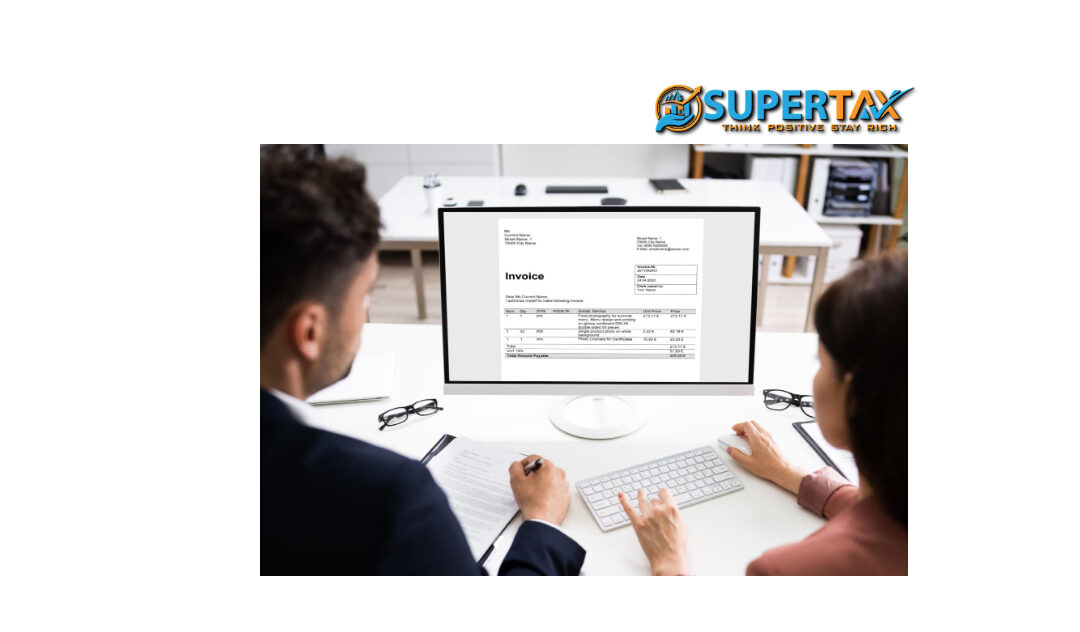
- Sending invoices
- Tracking receipts
you may be losing valuable time that could be spent growing your business.
Many small business owners spend several hours per week on financial administration.
Outsourcing bookkeeping to Supertax allows you to:
- Focus on clients and revenue
- Reduce administrative workload
- Ensure accurate financial records
This allows you to concentrate on running and expanding your business.
4. You Don’t Know If Your Business Is Actually Profitable
Many sole traders judge their business success by simply checking their bank balance.
However, this approach can be misleading because it ignores important factors such as:
- GST liabilities
- Upcoming tax obligations
- Operating expenses
- Profit margins
Without accurate financial reporting, you may believe your business is profitable when it is not.
A professional bookkeeper prepares reports such as:
- Profit and Loss (P&L) statements
- Cash flow reports
- Financial performance summaries
These reports provide clear insights into your true profitability, helping you make informed decisions.
Supertax provides regular financial reports and business insights to help sole traders understand their financial performance.
5. Your Business Is Growing
Growth is exciting, but it also brings more financial complexity.
As your business expands, you may face:
- Higher transaction volumes
- More clients and suppliers
- Payroll obligations
- Increased tax reporting requirements
A bookkeeping system that worked for a small operation may no longer be sufficient as your business grows.
If your turnover is increasing significantly or you plan to scale your business, professional bookkeeping becomes essential.
Supertax helps sole traders implement scalable financial systems that grow with their business
Bonus: What a Bookkeeper Does for Sole Traders
A professional bookkeeper manages the day-to-day financial records of your business.
Key bookkeeping services include:
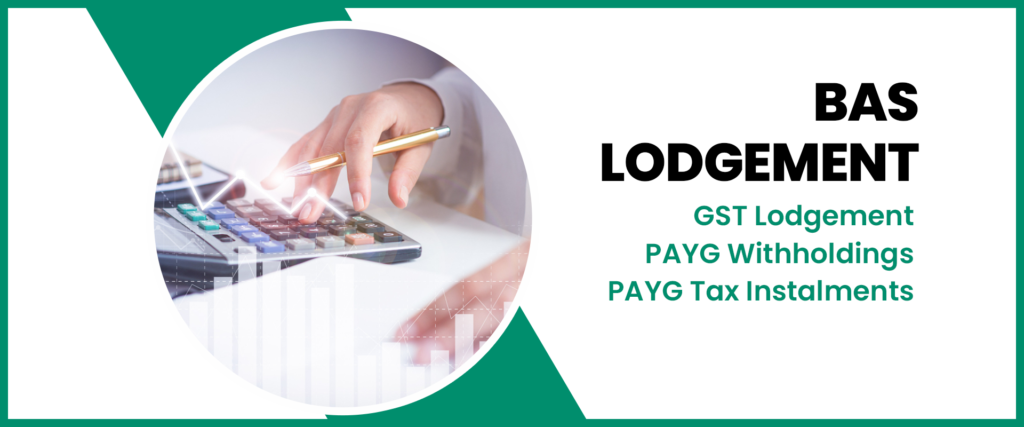
BAS and GST Lodgement
Preparing and lodging BAS accurately and on time.
Bank Reconciliation
Ensuring your bank statements match your accounting records.
Expense Tracking
Recording business expenses and maximising eligible deductions.
Payroll Processing
Managing wages, superannuation, and payroll compliance if you hire staff.
Financial Reporting
Preparing reports that help you monitor business performance.
Bookkeepers work closely with accountants to ensure accurate tax reporting and financial management.
How to Choose the Right Bookkeeper in Australia
If you are considering hiring a bookkeeper, here are some important factors to consider.
Registration and Compliance
Make sure the bookkeeper is registered with the Tax Practitioners Board if they prepare and lodge BAS on your behalf.
Industry Experience
Look for bookkeepers experienced with sole traders in your industry.
Accounting Software Expertise
They should be skilled with cloud accounting platforms like:
- Xero
- MYOB
- QuickBooks
Communication and Support
Choose a professional who is responsive and provides ongoing support.
How Supertax Helps Sole Traders
At Supertax, we specialise in supporting sole traders and small businesses across Australia with reliable bookkeeping and tax services.
Our services include:
- Bookkeeping and financial record management
- BAS and GST preparation and lodgement
- Cloud accounting setup and support
- Business performance reporting
- Tax compliance and advisory services
Our goal is to simplify your financial management so you can focus on growing your business with confidence.
Conclusion
DIY bookkeeping may work when your business is small, but as your operations grow, professional support becomes essential.
If you recognise these signs:
- Falling behind on tax deadlines
- Mixing personal and business expenses
- Spending too much time on financial admin
- Lacking clarity about profits
- Managing rapid business growth
it may be time to hire a professional bookkeeper.
Working with experts like Supertax helps ensure your business stays compliant, organised, and financially healthy.
Contact Supertax
📞 Phone: (03) 7074 8818
📧 Email: info@supertax.com.au
🌐 Website: http://www.supertax.com.au/
📍 Address
Suite 1, 7 Bridge St
Werribee VIC 3030
Australia
Our team can help you streamline your bookkeeping, stay compliant with the ATO, and focus on growing your business.
Frequently Asked Questions
Can a sole trader do their own bookkeeping?
Yes, sole traders can manage their own bookkeeping. However, as the business grows, the financial complexity and time commitment often make it beneficial to work with a professional bookkeeper to ensure accuracy and compliance.
Do I need a bookkeeper if I use accounting software?
Accounting software like Xero or QuickBooks can automate many tasks, but expertise is still required to categorise transactions correctly and generate accurate reports.
How much does a bookkeeper cost in Australia?
Bookkeeping costs vary depending on the size and complexity of the business. Many sole traders pay between $200 and $600 per month for bookkeeping services.
Do sole traders need a tax agent?
If you are registered for GST and want someone to lodge your BAS on your behalf, that professional must be registered with the Tax Practitioners Board.
What is the difference between a bookkeeper and an accountant?
A bookkeeper records daily financial transactions and manages financial records, while an accountant focuses on tax planning, financial advice, and lodging annual tax returns.
Other posts