Payroll Mistakes Australia | Common Errors & Compliance Guide

Common Payroll Mistakes in Australia ( Guide for Employers)
Managing payroll might seem straightforward, but in Australia, it comes with strict compliance requirements. Even small errors can lead to penalties, back payments, and audits from the ATO or Fair Work Ombudsman.
Most payroll mistakes aren’t intentional — they happen due to outdated processes, changing regulations, or lack of awareness. This guide covers the most common payroll mistakes in 2025 and how to avoid them.
1. Misclassifying Employees and Contractors
One of the most serious payroll mistakes is treating an employee as a contractor.
✔ Key Differences:
Employees: Work under your direction, use your tools, part of your business
Contractors: Run their own business, use own equipment, take financial risk
👉 Important:
Having an ABN does not automatically make someone a contractor.
Misclassification can result in:
❌ Back payments (super, leave, tax)
❌ Penalties from the ATO
❌ Legal disputes
2. Paying Incorrect Award Rates
Australian employees are often covered under modern awards, which define minimum pay rates and conditions.
⚠ Common Mistakes:
- Ignoring weekend & public holiday penalty rates
- Missing 25% casual loading
- Using outdated pay rates after annual increases
- Applying the wrong award
Underpaying staff — even unintentionally — is a serious compliance breach.
3. Superannuation Errors
Super is heavily monitored by the ATO.
📊 Current Rates:
- 11.5% (2024–25)
- Increasing to 12% from 1 July 2025
🚩 Common Issues:
- Paying super late
- Incorrect calculations
- Missing payments on bonuses or overtime
- Assuming payment is complete before it reaches the fund
👉 Late super leads to the Super Guarantee Charge (SGC) including interest and penalties.
4. Single Touch Payroll (STP) Mistakes
STP reporting is mandatory for all Australian employers.
❌ Common Errors:
- Incorrect year-to-date reporting
- Not finalising STP at EOFY
- Failing to report terminated employees
- Not upgrading to STP Phase 2
Errors can compound over time if not corrected early.
5. Leave Entitlement Miscalculations
Leave entitlements must comply with the National Employment Standards (NES).
📌 Key Entitlements:
- Full-time: 4 weeks annual leave
- Shift workers: 5 weeks
- Part-time: Pro-rata
- Casual: No annual leave
⚠ Common Mistakes:
- Incorrect leave accruals
- Wrong payout calculations
- Cashing out leave without agreements
6. PAYG Withholding Errors
Employers must deduct the correct tax from wages.
🔍 Factors Affecting PAYG:
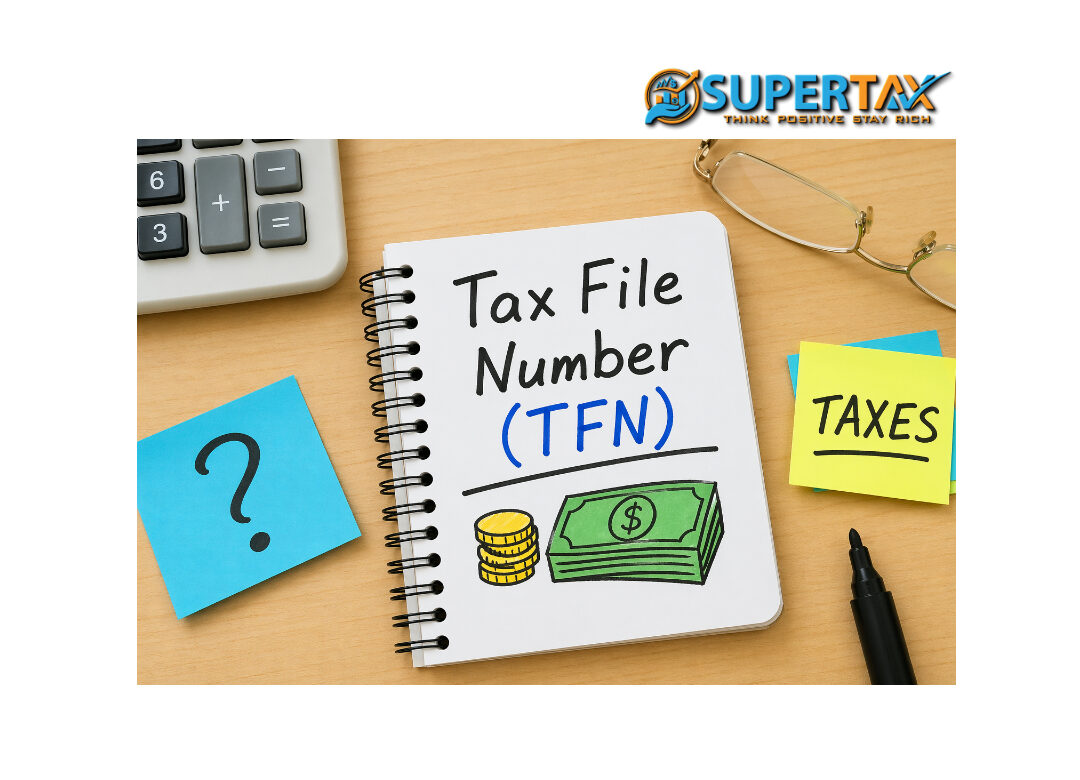
- TFN declaration
- Residency status
- Withholding variations
- Extra withholding requests
👉 If no TFN is provided, tax must be withheld at the highest rate.
7. Poor Payroll Record-Keeping
Australian law requires payroll records to be kept for 7 years.
📂 Required Records:
- Employee details & job role
- Pay rates and hours
- Gross & net pay
- Leave balances
- Super contributions
Poor records can:
❌ Trigger audits
❌ Lead to disputes
❌ Result in penalties
8. Incorrect Termination Payments
Final pay calculations can be complex.
💼 May Include:
- Unused annual leave
- Long service leave (depending on state)
- Redundancy pay
- Pay in lieu of notice
Each component has different tax treatments, making errors common.
9. Ignoring State Payroll Obligations
Beyond federal taxes, some businesses must meet state payroll tax requirements.
📍 Example (Victoria):
- Threshold: $700,000 annual wages
Failing to register or report can result in:
❌ Penalties
❌ Interest charges
10. Relying on Manual Payroll Processes
Manual systems increase the risk of human error.
🚩 Warning Signs:
- Repeated calculation mistakes
- Time-consuming payroll processing
- Lack of confidence in figures
- Growing team size
👉 Using payroll software (properly set up) improves accuracy and compliance.
11. Not Keeping Up with Changes
Payroll rules change regularly.
📅 Key Dates to Track:
- Super due dates (quarterly)
- Award wage increases (July)
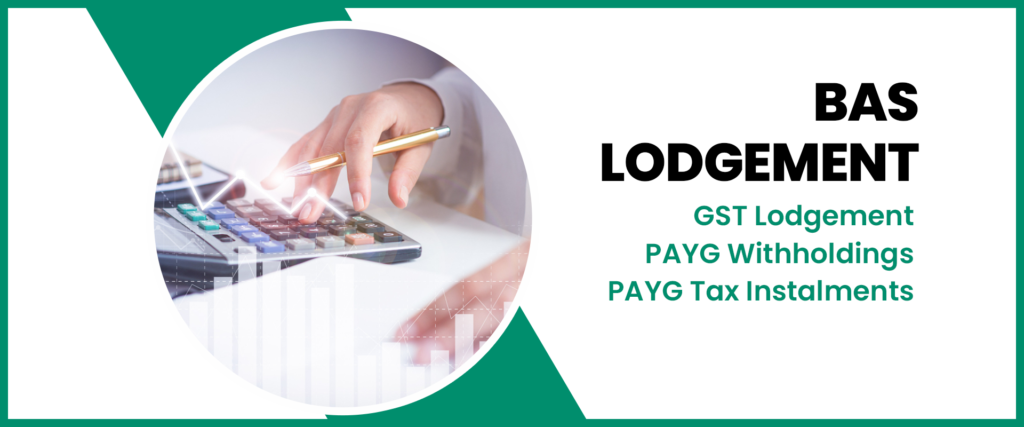
- BAS lodgements
- EOFY STP finalisation
A simple compliance calendar can prevent missed deadlines.
Most Payroll Mistakes Are Preventable
The majority of payroll issues come down to:
- Outdated systems
- Incorrect setup
- Lack of regular checks
With the right processes and support, these problems can be easily avoided.
Frequently Asked Questions
How often does the super rate change?
The rate increased to 11.5% from July 2024 and will rise to 12% from July 2025, where it will remain.
What happens if I pay super late?
You’ll need to pay the Super Guarantee Charge, which includes:
- Unpaid super
- Interest
- Administrative fees
Do casual employees get super?
Yes. Casual employees are entitled to super if they meet eligibility requirements.
What payroll records must I keep?
You must keep records of:
- Wages and hours
- Leave balances
- Super contributions
- Employee details
What is the difference between PAYG and payroll tax?
- PAYG withholding: Tax deducted from employee wages
- Payroll tax: State-based tax based on total wages paid
📞 Contact Supertax Today
Need help with payroll compliance, setup, or review?
🌐 Website: https://supertax.com.au/
📍 Address: Suite 1, 7 Bridge St, Werribee Victoria 3030, Australia
📞 Phone: (03) 7074 8818
📧 Email: info@supertax.com.au
Other posts