Buying Property Through a Trust in Australia (2026): Benefits, Risks & Smart Strategies

Buying Property Through a Trust in Australia (2026): Benefits, Risks & Smart Strategies
Buying property through a trust in Australia is a powerful strategy used by experienced investors to protect assets, manage tax, and build long-term wealth. While it may seem complex at first, the right structure can offer significant financial advantages.
This guide explains how property trusts work, their benefits, risks, and how to use them effectively in 2026.
What Is a Property Trust?
A property trust is a legal structure where a trustee holds property on behalf of beneficiaries.
👉 Instead of owning the property personally:
- The trust owns the asset
- The trustee manages it
- The beneficiaries receive income or gains
✔️ The main goal: separate personal assets from investment risk
Why Investors Use Trusts for Property
🔒 1. Asset Protection
A trust creates a financial firewall between your personal wealth and investment property.
- Protects your family home from business risks
- Limits exposure to legal claims
- Keeps personal and investment assets separate
💰 2. Tax Flexibility
Trusts allow strategic tax planning through income distribution.
- Distribute rental income to lower-tax family members
- Reduce overall tax liability
- Optimise Capital Gains Tax (CGT) on sale
📈 3. Long-Term Wealth Planning
Trusts are ideal for:
- Family wealth creation
- Estate planning
- Multi-generational asset protection
Types of Trusts for Property Investment
1. Discretionary (Family) Trust
✔️ Most popular for families
- Flexible income distribution
- Strong asset protection
- Ideal for tax planning
2. Unit Trust
✔️ Best for business partners
- Fixed ownership percentages
- Clear profit distribution
- Less flexibility, more certainty
3. Bare Trust
✔️ Used mainly for SMSFs
- Trustee holds property on behalf of one beneficiary
- Required for SMSF property loans (LRBA)
Pros and Cons of Buying Property in a Trust
✅ Advantages
- Strong asset protection
- Flexible tax planning
- CGT distribution benefits
- Estate planning advantages
❌ Disadvantages
- Setup costs ($1,500 – $3,500+)
- Ongoing accounting fees
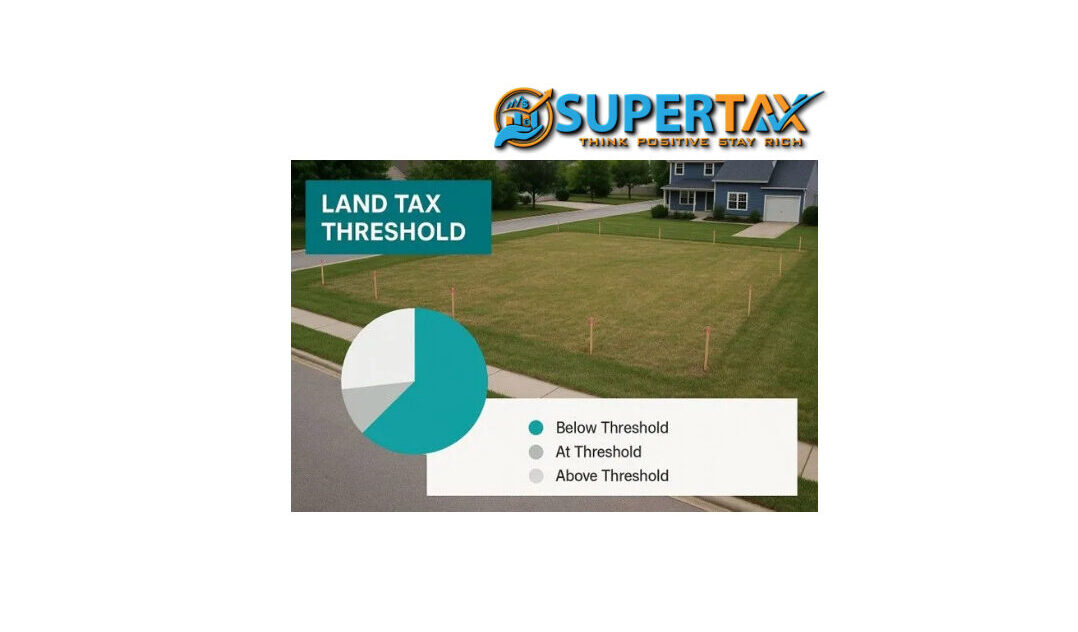
- Land tax may be higher
- Loan approval can be stricter
- Negative gearing losses are trapped in the trust
Financing Property in a Trust
Getting a loan through a trust is more complex:
- Banks require personal guarantees
- Trust deed must allow borrowing
- Higher scrutiny compared to personal loans
👉 You are still personally responsible for the loan, even if the trust owns the property.
Tax Considerations You Must Know
🧾 Stamp Duty
- Same as individual purchase initially
- Changes to trust structure may trigger additional duty
🏠 Land Tax
- Some states remove tax-free thresholds for trusts
- Higher annual costs may apply
📊 Annual Compliance
- Trust tax return required
- Income distribution must be documented before 30 June
- Separate bank account is mandatory
Step-by-Step: Buying Property Through a Trust
✔️ Step 1: Get Professional Advice
Consult an accountant and lawyer before starting
✔️ Step 2: Set Up the Trust
- Create trust deed
- Register TFN & ABN
✔️ Step 3: Appoint Trustee
- Prefer corporate trustee for better protection
✔️ Step 4: Get Finance Pre-Approval
- Apply in trust name
- Provide personal guarantees
✔️ Step 5: Purchase Property
- Contract must be in trustee name
- Example: XYZ Pty Ltd as trustee for ABC Trust
✔️ Step 6: Manage Ongoing Compliance
- Maintain records
- Lodge tax returns
- Distribute income properly
Common Mistakes to Avoid
❌ Incorrect trust setup
❌ Mixing personal and trust funds
❌ Missing distribution deadlines
❌ Poor record keeping
❌ Ignoring professional advice
⚠️ These mistakes can remove asset protection and increase tax risk
FAQs
Can I use my home as security?
Yes, but it must be structured carefully to avoid risk to personal assets.
How is rental income taxed?
Income is distributed to beneficiaries and taxed at their individual rates.
What happens when selling the property?
- 50% CGT discount applies (if held >12 months)
- Gains can be distributed to reduce tax
Final Thoughts
Buying property through a trust is not just about ownership — it’s about strategy, protection, and long-term wealth planning.
While it comes with added complexity, the benefits can be significant when structured correctly.
👉 The key is getting the right advice early and maintaining compliance.
👉 Keep more of what you earn
📞 𝐂𝐨𝐧𝐭𝐚𝐜𝐭 𝐒𝐮𝐩𝐞𝐫𝐭𝐚𝐱
📞 Phone: (03) 7074 8818
📧 Email: info@supertax.com.au
🌐 Website: https://supertax.com.au/
📍 Address: Suite 1, 7 Bridge St, Werribee Victoria 3030, Australia
Other posts