Trust vs Company: Which Structure Saves More Tax in Australia
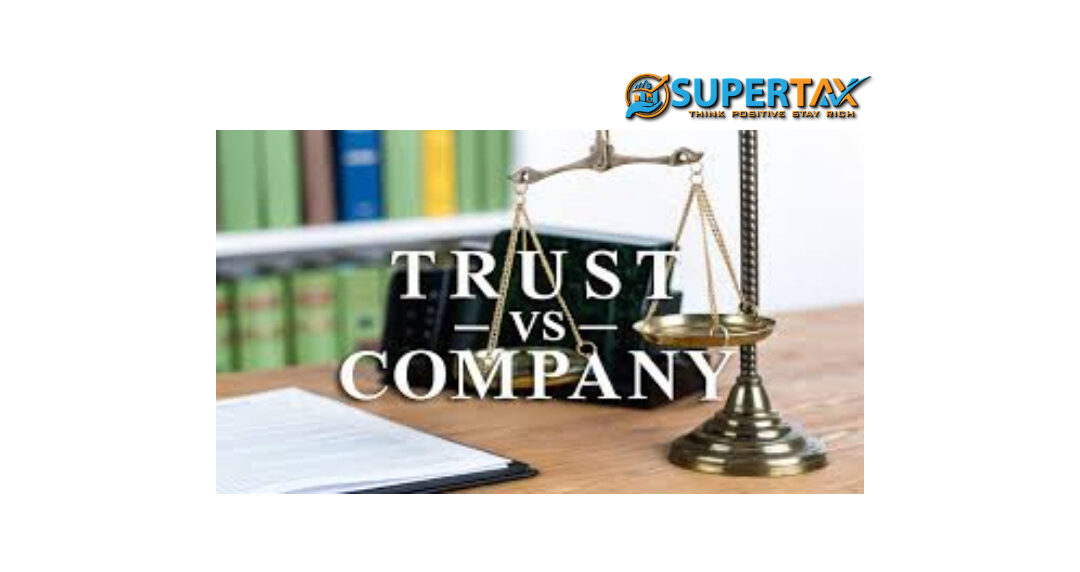
Trust vs Company: Which Structure Saves More Tax in Australia
Choosing between a trust and a company isn’t just a structure decision — it’s a tax and asset protection strategy.
Pick the wrong one, and you could:
❌ Pay thousands more in tax
❌ Expose your personal assets
❌ Limit your future growth
Let’s break it down simply 👇
🔍 Key Takeaways
✔️ Trusts allow income splitting to reduce family tax
✔️ Companies offer limited liability + 25% tax rate
✔️ Trusts are ideal for property & investments (CGT benefits)
✔️ Companies suit scalable, high-risk businesses
✔️ The smartest strategy is often a Trust + Company hybrid
📊 What Is a Trust?
A trust is not a separate legal entity.
👉 It’s a structure where a trustee manages assets for beneficiaries.
Why people use trusts:
✔️ Flexibility in distributing income
✔️ Strong asset protection for beneficiaries
✔️ Access to 50% CGT discount
⚠️ Important:
The trustee is legally responsible for debts — which is why many use a corporate trustee.
🏢 What Is a Company?
A company (Pty Ltd) is a separate legal entity.
👉 It can:
✔️ Own assets
✔️ Earn income
✔️ Be sued independently
Key benefits:
✔️ Limited liability protection
✔️ Fixed tax rate (25%)
✔️ Ideal for reinvesting profits
⚖️ Trust vs Company – Quick Comparison
| Feature | Trust | Company |
|---|---|---|
| Tax | Flexible (based on beneficiaries) | Fixed 25% |
| Asset Protection | Strong (beneficiaries protected) | Strong (limited liability) |
| CGT Discount | ✅ 50% available | ❌ Not available |
| Profit Retention | ❌ Not efficient | ✅ Very efficient |
| Flexibility | High | Low |
🛡️ Asset Protection – Which Is Better?
👉 Company
- Protects personal assets through corporate veil
- But risk exists if:
- Personal guarantees given
- Insolvent trading
👉 Trust
Assets are separate from beneficiaries
Strong protection against personal lawsuits
🔥 Best Setup:
👉 Trust + Corporate Trustee (Company)
= Maximum protection + compliance
💰 Tax Planning – The Real Difference
Trust = Tax Flexibility
✔️ Distribute income to lower-tax family members
✔️ Reduce total household tax
⚠️ If not distributed → taxed at highest rate
Company = Tax Efficiency
✔️ Flat 25% tax rate
✔️ Keep profits inside business
✔️ Pay dividends later (with franking credits)
📈 When Should You Use a Trust?
✔️ Property investors
✔️ Family businesses
✔️ Income splitting strategies
✔️ Long-term wealth planning
🚀 When Should You Use a Company?
✔️ Growing businesses
✔️ High-risk industries
✔️ External investors involved
✔️ Profit reinvestment strategy
🔥 The Smart Strategy: Hybrid Structure
👉 Trust owns Company shares
This gives you:
✔️ Asset protection (company handles risk)
✔️ Tax flexibility (trust distributes income)
✔️ Profit control (retain or distribute)
💡 This is the structure many successful Australian businesses use.
📌 Common Mistakes to Avoid
❌ Choosing company when you need income splitting
❌ Using trust without proper deed setup
❌ No corporate trustee (higher risk)
❌ Not planning for future growth
✅ Final Thoughts
There is no one-size-fits-all answer.
👉 The best structure depends on:
- Your income
- Risk level
- Family situation
- Growth plans
💡 But one thing is clear:
Getting it right early can save you thousands.
📍 Contact Supertax
Take control of your business structure today 👇
📍 Suite 1, 7 Bridge St, Werribee Victoria 3030, Australia
📞 (03) 7074 8818
📧 info@supertax.com.au
🌐 https://supertax.com.au/
Other posts