Failure to Lodge Penalties in Australia: How to Reduce ATO Fines Through Penalty Remission

Failure to Lodge Penalties in Australia: How to Reduce ATO Fines Through Penalty Remission
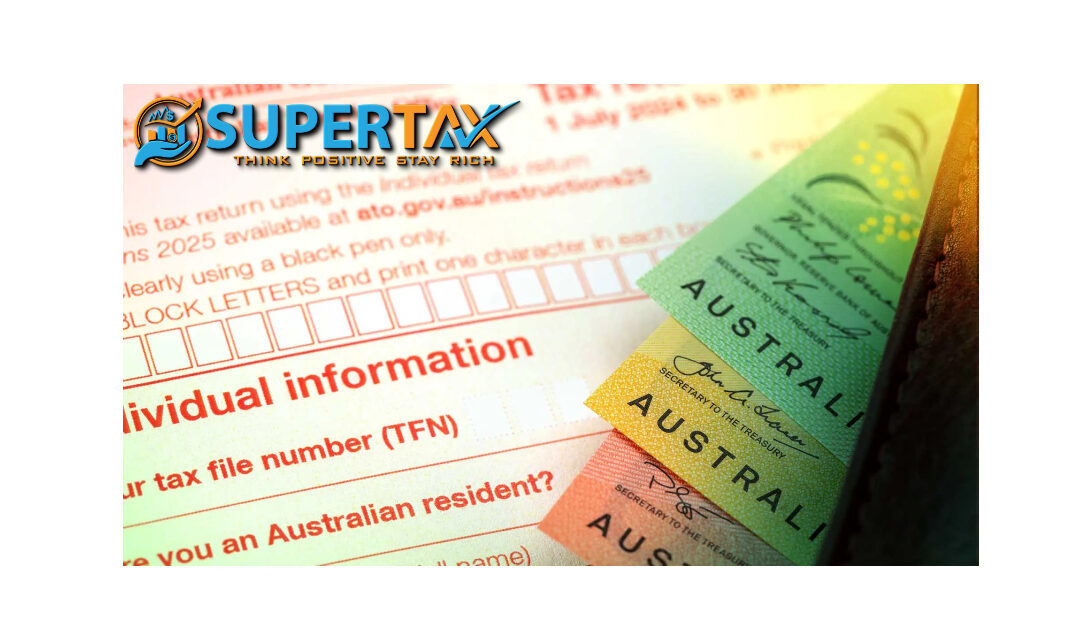
Missing a tax lodgement deadline in Australia can result in Failure to Lodge (FTL) penalties issued by the Australian Taxation Office (ATO). These penalties apply when required documents such as tax returns, Business Activity Statements (BAS), or other ATO reports are not lodged on time.
The good news is that in certain circumstances, taxpayers may be able to reduce or remove these penalties through ATO penalty remission if they have a reasonable explanation for the delay.
This guide explains how Failure to Lodge penalties work in Australia, how they are calculated, and how Supertax can help you request penalty remission from the ATO.
What Is a Failure to Lodge Penalty?
A Failure to Lodge (FTL) penalty is an administrative fine issued by the ATO when taxpayers fail to submit required documents by the due date.
Common documents that must be lodged on time include:
- Income tax returns
- Business Activity Statements (BAS)
- Fringe Benefits Tax (FBT) returns
- PAYG withholding annual reports
It is important to understand that FTL penalties can apply even if you do not owe tax or expect a refund, because the penalty is related to missing the lodgement deadline.
How the ATO Calculates Failure to Lodge Penalties
The ATO calculates FTL penalties using a penalty unit system.
For every 28 days (or part of 28 days) that a document is overdue, one penalty unit is applied.
Penalty Based on Entity Size
| Entity Type | Penalty Level |
|---|---|
| Small entities (turnover under $1M) | Standard penalty |
| Medium entities ($1M – $20M) | Double penalty |
| Large entities ($20M+) | Five times the penalty |
The penalty is generally capped at five penalty units, depending on the number of days overdue.
Because penalty unit values change over time, it is important to check the current ATO penalty unit rate.
What Is ATO Penalty Remission?
ATO penalty remission allows the tax office to reduce or cancel Failure to Lodge penalties if you can demonstrate that there were circumstances beyond your control.
The ATO assesses each request individually and considers factors such as:
- The reason for the delay
- Supporting evidence provided
- Your previous compliance history
Penalty remission is not automatic, and the decision is entirely at the ATO’s discretion.
When the ATO May Reduce Failure to Lodge Penalties
The ATO may consider reducing or cancelling penalties if there is a reasonable excuse for late lodgement.
Examples include:
- Serious illness or medical emergencies
- Natural disasters affecting your home or business
- Unexpected loss of a key person responsible for tax matters
- Technical problems with ATO systems
- Other unforeseen circumstances beyond your control
A strong history of lodging tax obligations on time can also increase the chances of receiving penalty remission.
How to Request an ATO Failure to Lodge Penalty Remission
If you receive an FTL penalty notice, you may be able to request remission by following these steps.
1. Lodge the Outstanding Tax Document
The ATO will not consider a penalty remission request until the overdue tax return or BAS has been lodged.
This is the most important first step.
2. Collect Supporting Evidence
You should provide documentation that supports your explanation for the delay, such as:
- Medical certificates
- Statutory declarations
- Insurance or police reports
- Natural disaster documentation
- Evidence from a tax agent or accountant
Strong evidence improves the chances of a successful remission request.
3. Submit a Clear Written Request
Your request should include:
- Details of the penalty notice
- Explanation of why the document was lodged late
- Supporting evidence
- Information about your compliance history
- Steps taken to prevent future delays
4. Send the Request to the ATO
You can request penalty remission through:
- A registered tax agent
- ATO Online Services or myGov
- Written communication with the ATO
Professional assistance is often helpful when preparing a strong remission request
Common Reasons Penalty Remission Requests Are Rejected
Some requests are declined due to avoidable mistakes, such as:
- Not lodging the overdue document first
- Providing vague explanations without evidence
- Ignoring previous ATO correspondence
- Not demonstrating steps to improve future compliance
Preparing a detailed and well-supported request is critical.
Final Thoughts
Failure to Lodge penalties in Australia can create financial stress for both individuals and businesses. However, if you have a genuine reason for missing a deadline, the ATO may consider reducing or cancelling the penalty through a remission request.
Taking prompt action, lodging overdue tax documents, and providing strong supporting evidence can significantly improve your chances of success.
If you have received an ATO Failure to Lodge penalty or need help lodging overdue tax returns or BAS, Supertax can assist you. Our experienced team helps individuals and businesses with tax lodgements, penalty remission applications, and communication with the ATO to resolve compliance issues quickly.
Contact Supertax today for professional support with ATO penalties, tax compliance, and lodgement services.
Other posts