What Work From Home Expenses Are Tax Deductible in 2026?
What Work From Home Expenses Are Tax Deductible in 2026?
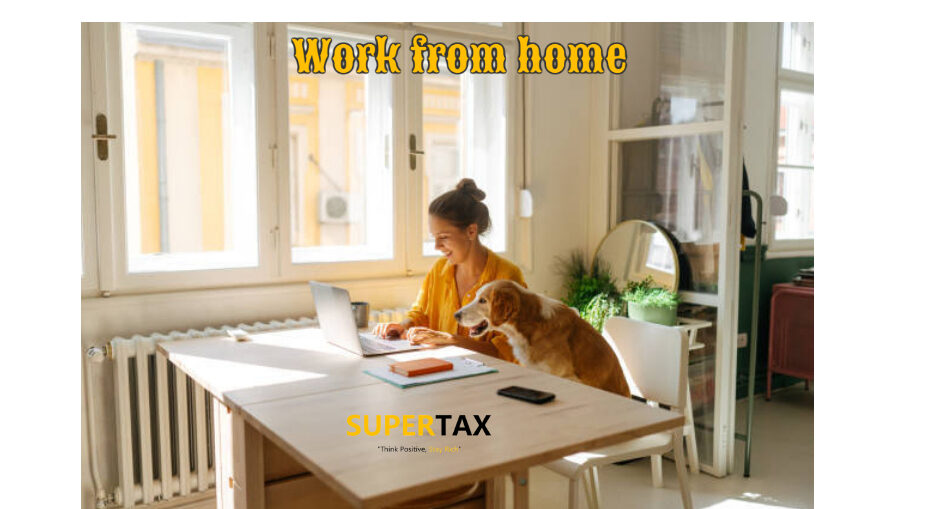
Hybrid work is now normal for millions of Australians, but claiming work-from-home deductions correctly has become one of the biggest tax-time compliance areas the ATO is watching in 2026.
Many taxpayers are either:
- Missing legitimate deductions entirely, or
- Claiming incorrectly and increasing their audit risk
With stricter record-keeping rules and growing confusion around the proposed $1,000 instant deduction, understanding exactly what you can and cannot claim matters more than ever.
This guide explains:
- What work-from-home expenses are claimable
- How the fixed rate and actual cost methods work
- Which records you need
- Common mistakes to avoid
- How to maximise your deduction correctly for the 2025–26 financial year
Key Takeaways
- Work-from-home deductions only apply when performing genuine employment duties from home
- You can only claim additional expenses directly related to working from home
- The ATO allows two methods:
- Fixed rate method (70c per hour)
- Actual cost method
- The fixed rate method is simpler and requires less paperwork
- The actual cost method may produce larger deductions but requires detailed records
- You must use one method for the full financial year
- Good record keeping is essential to support any claim
What Are Work-From-Home Tax Deductions in Australia?
Not every household expense automatically becomes tax deductible simply because you occasionally work from home.
To claim working-from-home deductions, you must satisfy all of the following conditions:
- You are working from home to perform actual employment duties
- You incur additional running expenses because of working from home
- You keep records proving those expenses were incurred
The ATO draws a clear distinction between:
- Genuine remote or hybrid work arrangements, and
- Casual personal use such as checking emails from the couch
Even if your employer has a physical office, you may still claim deductions for the hours genuinely worked from home.
However, only the additional costs caused by working from home are deductible.
For example:
- Your normal electricity bill is not fully deductible
- Only the extra electricity used while working is claimable
- Your home internet plan is not fully deductible
- Only the work-related portion can be claimed
The ATO’s Two Methods for Claiming Work-From-Home Deductions
There are two methods available for claiming deductions:
- Fixed Rate Method
- Actual Cost Method
You must choose one method for the entire income year.
Switching methods halfway through the year is not allowed.
The Fixed Rate Method: 70 Cents Per Hour Explained
The fixed rate method is designed for simplicity.
Under this method, you can claim:
70 cents per hour worked from home during the 2025–26 income year
This method suits taxpayers who:
- Do not have a dedicated home office
- Prefer less paperwork
- Want a simpler claim process
What the 70c Fixed Rate Covers
You cannot separately claim these expenses because they are already included in the rate:
- Electricity and gas
- Heating and cooling
- Home and mobile internet
- Phone expenses
- Stationery
- Printer ink and consumables
What You Can Still Claim Separately
You may still separately claim:
- Decline in value of work-related assets
- Computers
- Office chairs
- Desks
- Bookshelves
- Repairs and maintenance of those assets
If an item:
- Costs $300 or less, and
- Is mainly used for work purposes
You may claim an immediate deduction in the year it was purchased.
Important Fixed Rate Rule Most People Miss
If you use your phone for work on days you are NOT working from home, you cannot separately claim those phone expenses under the fixed rate method.
If you want to claim all work-related phone usage, you may need to use the actual cost method instead.
The Actual Cost Method: Claim Every Eligible Expense
The actual cost method is more detailed but can often produce a larger deduction.
This method is commonly used by taxpayers who:
- Work from home regularly
- Have a dedicated home office
- Incur significant work-related running expenses
Under this method, you calculate the actual additional costs incurred while working from home.
What You Can Claim Under the Actual Cost Method
You may claim:
- Electricity and gas
- Internet expenses
- Phone expenses
- Data usage
- Office supplies
- Printer ink and stationery
- Decline in value of work assets
- Repairs and maintenance
- Cleaning expenses for a dedicated home office
In limited situations, you may also claim:
- Mortgage interest
- Rent
- Occupancy expenses
Important Apportionment Rules
You can only claim the work-related portion of any expense.
For example:
- If your internet usage is 40% work-related, only 40% is deductible
- If a computer is used partly for personal use, only the work-related portion is claimable
The ATO expects calculations to be:
- Fair
- Reasonable
- Supported by records
Household Presence Rule Many Australians Miss
You cannot claim additional running expenses for a room where non-working household members are present at the same time.
Example:
- If you work in the lounge room while family members watch television, you generally cannot claim heating or lighting expenses for that space.
Phone and Internet Records
If you use the actual cost method, the ATO expects:
- Itemised bills
- A 4-week representative usage record
- Work-related percentages calculated from actual usage
That percentage can then be applied across the full financial year.
What Expenses Can You Claim?
Running Expenses You Can Claim
These may include:
- Electricity and gas
- Internet expenses
- Mobile and home phone expenses
- Office stationery
- Printer consumables
- Work-related software
- Depreciation of work assets
- Repairs and maintenance
Dedicated Home Office Claims
If you have a dedicated home office used almost exclusively for work, you may also claim:
- Cleaning expenses
- Occupancy expenses
- Mortgage interest
- Rent
However, these claims are limited and strict conditions apply.
Important Capital Gains Tax Warning
If you claim occupancy expenses such as mortgage interest, you may lose part of your main residence CGT exemption when selling your home.
This is one of the most overlooked tax consequences of claiming home office occupancy expenses.
What You Cannot Claim
The ATO specifically denies deductions for:
- Coffee, tea, milk, and household food
- Loungewear or ordinary clothing
- Expenses reimbursed by your employer
- Employer-provided equipment
- Children’s educational equipment
- Shared household running costs without work-related use
If your employer provides:
- A laptop
- Phone
- Monitor
- Office equipment
You cannot claim depreciation on those items.
The New $1,000 Instant Tax Deduction Explained
The Government has announced a proposed:
- $1,000 standard deduction for work-related expenses
However, many Australians misunderstand how this works.
Key Facts About the $1,000 Deduction
It Does NOT Apply Yet
The current fixed rate and actual cost methods still apply for 2025–26 returns.
It Is NOT a Refund
A deduction reduces taxable income, not tax dollar-for-dollar.
Example:
- A $1,000 deduction at a 30% tax rate may save around $300 in tax.
It May Not Benefit Everyone
If your actual deductions exceed $1,000, claiming actual expenses may still provide a better outcome.
Should You Still Keep Records?
Absolutely.
You will not know until tax time whether:
- Your actual expenses exceed $1,000, or
- The standard deduction produces a better result
Good records preserve your options.
Record Keeping Requirements
The ATO requires detailed records under both methods.
Fixed Rate Method Record Requirements
You need:
- A full record of hours worked from home
- Timesheets, diaries, rosters or logs
- Evidence you paid for covered expenses
- Asset purchase records for separately claimed items
Actual Cost Method Record Requirements
You need:
- Work-from-home hour records
- Receipts and invoices
- Usage calculations
- Bills showing work-related percentages
- Evidence supporting apportionment calculations
Bank statements alone are generally not enough evidence.
Asset Depreciation Records
For depreciating assets you claim, keep records showing:
- Purchase date
- Cost
- Supplier
- Work-use percentage
- Date first used for work
Common Mistakes Australians Make in 2026
Mistake 1: Claiming Employer-Provided Equipment
If your employer supplied:
- A laptop
- Monitor
- Phone
- Headset
You cannot claim depreciation.
Mistake 2: Overstating Work Use
Inflated claims without evidence attract ATO scrutiny.
Examples:
- Claiming excessive internet usage
- Claiming unrealistic phone percentages
- Claiming full electricity bills
Mistake 3: Automatically Choosing the Fixed Rate Method
Many taxpayers never compare both methods properly.
For taxpayers with:
- High electricity bills
- Expensive work equipment
- Dedicated office space
The actual cost method may provide a much larger deduction.
Mistake 4: Claiming the Same Expense Twice
You cannot:
- Claim internet expenses within the 70c rate, AND
- Claim internet separately
Each expense can only be claimed once.
Mistake 5: Forgetting to Declare Allowances
If your employer pays:
- A working-from-home allowance
It must still be declared as income.
You may then claim eligible expenses against it.
Frequently Asked Questions
Can I Claim Loungewear or Activewear?
No.
Ordinary clothing is not deductible, even when working from home.
Can I Claim a Second-Hand Desk or Chair?
Yes, if:
- You paid for it, and
- Have proof of purchase
You may claim depreciation based on the amount paid.
Can I Claim Heating or Cooling Costs?
Yes.
Under:
- Fixed rate → already included
- Actual cost → calculated separately
Can I Claim for Multiple Jobs?
No.
You cannot double-count the same hour simply because you have:
- A side hustle, and
- A regular job
What If I Move House During the Financial Year?
You can still claim deductions.
However:
- Records must cover both addresses
- Actual cost calculations may need to be separated
How Supertax Can Help
Most Australians either:
- Underclaim legitimate deductions, or
- Claim incorrectly and increase audit risk
At Supertax
, our tax professionals help individuals maximise legitimate deductions while ensuring full ATO compliance.
We help by:
- Comparing both claim methods
- Identifying overlooked deductions
- Calculating correct work-related percentages
- Preparing ATO-ready records
- Lodging accurate tax returns
- Reducing compliance risks
Tax time becomes far easier when experienced professionals manage the process properly.
Ready To Maximise Your Work-From-Home Tax Deduction?
📞 Phone: 03 7074 8818
📧 Email: info@supertax.com.au
🌐 Website:
📍 Address: Suite 1, 7 Bridge St, Werribee VIC 3030
Other posts