𝐖𝐡𝐲 𝐌𝐚𝐧𝐲 𝐁𝐮𝐬𝐢𝐧𝐞𝐬𝐬𝐞𝐬 𝐆𝐞𝐭 𝐅𝐮𝐞𝐥 𝐓𝐚𝐱 𝐂𝐫𝐞𝐝𝐢𝐭𝐬 𝐖𝐫𝐨𝐧𝐠
𝐀𝐓𝐎 𝐅𝐮𝐞𝐥 𝐓𝐚𝐱 𝐂𝐫𝐞𝐝𝐢𝐭 𝐑𝐚𝐭𝐞𝐬 𝟐𝟎𝟐𝟓-𝟐𝟔: 𝐖𝐡𝐨 𝐂𝐚𝐧 𝐂𝐥𝐚𝐢𝐦 𝐀𝐧𝐝 𝐇𝐨𝐰
Running a business in Australia often means dealing with rising fuel costs while trying to keep BAS lodgements accurate and cash flow under control.
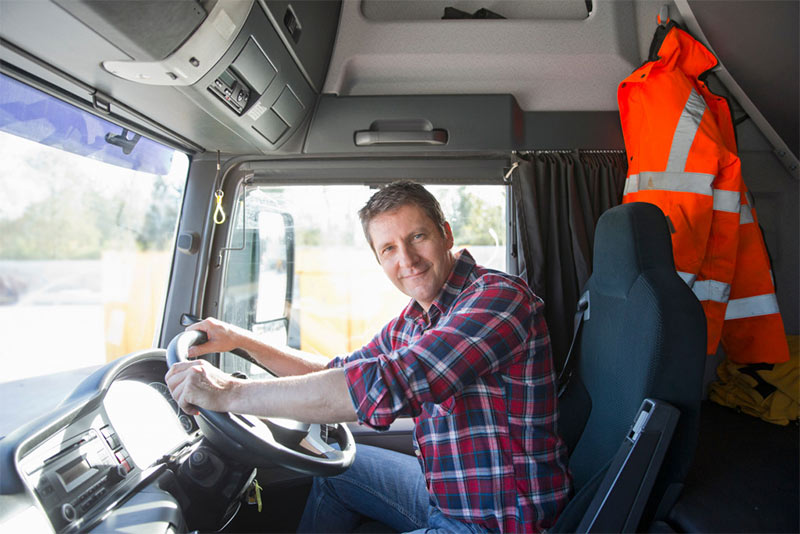
For many transport operators, tradies, contractors, farmers, and construction businesses, fuel tax credits can reduce operating costs significantly. But they are also one of the most commonly misunderstood business tax claims.
Some businesses miss out entirely. Others overclaim because they apply the wrong rates or fail to separate eligible and ineligible fuel use properly.
The key is understanding that fuel tax credits depend on:
• The type of fuel
• How the fuel was used
• Where the fuel was used
• Whether proper records exist
𝐖𝐡𝐚𝐭 𝐀𝐫𝐞 𝐅𝐮𝐞𝐥 𝐓𝐚𝐱 𝐂𝐫𝐞𝐝𝐢𝐭𝐬?
Fuel tax credits are designed to help eligible businesses recover part of the fuel tax included in the price of taxable fuel used for business activities.
In simple terms, businesses may be able to claim credits for fuels such as:
• Diesel
• Petrol
• Certain gaseous fuels
when those fuels are used in eligible business operations.
However, the claim is not simply based on buying fuel.
The ATO looks closely at:
• What the fuel powered
• Whether the use was on-road or off-road
• Whether the fuel use was business-related
• Whether the activity qualifies under fuel tax credit rules
________________________________________
𝐖𝐡𝐨 𝐂𝐚𝐧 𝐂𝐥𝐚𝐢𝐦 𝐅𝐮𝐞𝐥 𝐓𝐚𝐱 𝐂𝐫𝐞𝐝𝐢𝐭𝐬?
Businesses may be eligible if they:
• Are registered for GST
• Use taxable fuel
• Use the fuel in eligible business activities
📌 Common Industries Claiming Fuel Tax Credits
🔹 Transport and freight businesses
🔹 Construction companies
🔹 Earthmoving contractors
🔹 Farmers and agricultural operators
🔹 Mining and quarry businesses
🔹 Manufacturing operations
🔹 Trade businesses using diesel equipment or generators
Businesses using:
• Excavators
• Loaders
• Generators
• Pumps
• Compressors
• Heavy vehicles
• Site machinery
may all have potential fuel tax credit entitlements depending on usage.
________________________________________
𝐖𝐡𝐲 𝐌𝐚𝐧𝐲 𝐁𝐮𝐬𝐢𝐧𝐞𝐬𝐬𝐞𝐬 𝐆𝐞𝐭 𝐅𝐮𝐞𝐥 𝐓𝐚𝐱 𝐂𝐫𝐞𝐝𝐢𝐭𝐬 𝐖𝐫𝐨𝐧𝐠
One of the biggest mistakes businesses make is treating all fuel the same.
But fuel tax credit rates can vary depending on:
• Road use
• Off-road use
• Heavy vehicles
• Auxiliary equipment
• Generators
• Plant and machinery
📌 Example
A business may purchase diesel for:
• A heavy truck on public roads
• An excavator on a construction site
• A generator powering equipment
Even though all use diesel, the fuel tax credit treatment may differ.
That is why proper fuel apportionment is critical.
________________________________________
𝐀𝐓𝐎 𝐅𝐮𝐞𝐥 𝐓𝐚𝐱 𝐂𝐫𝐞𝐝𝐢𝐭 𝐑𝐚𝐭𝐞𝐬 𝟐𝟎𝟐𝟓-𝟐𝟔
Fuel tax credit rates change regularly and should always be verified using current ATO guidance before lodging your BAS.
📌 Typical Fuel Tax Credit Categories
𝐀𝐓𝐎 𝐅𝐮𝐞𝐥 𝐓𝐚𝐱 𝐂𝐫𝐞𝐝𝐢𝐭 𝐑𝐚𝐭𝐞𝐬 𝟐𝟎𝟐𝟓-𝟐𝟔: 𝐖𝐡𝐨 𝐂𝐚𝐧 𝐂𝐥𝐚𝐢𝐦 𝐀𝐧𝐝 𝐇𝐨𝐰
Running a business in Australia often means dealing with rising fuel costs while trying to keep BAS lodgements accurate and cash flow under control.
For many transport operators, tradies, contractors, farmers, and construction businesses, fuel tax credits can reduce operating costs significantly. But they are also one of the most commonly misunderstood business tax claims.
Some businesses miss out entirely. Others overclaim because they apply the wrong rates or fail to separate eligible and ineligible fuel use properly.
The key is understanding that fuel tax credits depend on:
- The type of fuel
- How the fuel was used
- Where the fuel was used
- Whether proper records exist
𝐖𝐡𝐚𝐭 𝐀𝐫𝐞 𝐅𝐮𝐞𝐥 𝐓𝐚𝐱 𝐂𝐫𝐞𝐝𝐢𝐭𝐬?
Fuel tax credits are designed to help eligible businesses recover part of the fuel tax included in the price of taxable fuel used for business activities.
In simple terms, businesses may be able to claim credits for fuels such as:
- Diesel
- Petrol
- Certain gaseous fuels
when those fuels are used in eligible business operations.
However, the claim is not simply based on buying fuel.
The ATO looks closely at:
- What the fuel powered
- Whether the use was on-road or off-road
- Whether the fuel use was business-related
- Whether the activity qualifies under fuel tax credit rules
𝐖𝐡𝐨 𝐂𝐚𝐧 𝐂𝐥𝐚𝐢𝐦 𝐅𝐮𝐞𝐥 𝐓𝐚𝐱 𝐂𝐫𝐞𝐝𝐢𝐭𝐬?
Businesses may be eligible if they:
- Are registered for GST
- Use taxable fuel
- Use the fuel in eligible business activities
📌 Common Industries Claiming Fuel Tax Credits
🔹 Transport and freight businesses
🔹 Construction companies
🔹 Earthmoving contractors
🔹 Farmers and agricultural operators
🔹 Mining and quarry businesses
🔹 Manufacturing operations
🔹 Trade businesses using diesel equipment or generators
Businesses using:
- Excavators
- Loaders
- Generators
- Pumps
- Compressors
- Heavy vehicles
- Site machinery
may all have potential fuel tax credit entitlements depending on usage.
𝐖𝐡𝐲 𝐌𝐚𝐧𝐲 𝐁𝐮𝐬𝐢𝐧𝐞𝐬𝐬𝐞𝐬 𝐆𝐞𝐭 𝐅𝐮𝐞𝐥 𝐓𝐚𝐱 𝐂𝐫𝐞𝐝𝐢𝐭𝐬 𝐖𝐫𝐨𝐧𝐠
One of the biggest mistakes businesses make is treating all fuel the same.
But fuel tax credit rates can vary depending on:
- Road use
- Off-road use
- Heavy vehicles
- Auxiliary equipment
- Generators
- Plant and machinery
📌 Example
A business may purchase diesel for:
- A heavy truck on public roads
- An excavator on a construction site
- A generator powering equipment
Even though all use diesel, the fuel tax credit treatment may differ.
That is why proper fuel apportionment is critical.
𝐀𝐓𝐎 𝐅𝐮𝐞𝐥 𝐓𝐚𝐱 𝐂𝐫𝐞𝐝𝐢𝐭 𝐑𝐚𝐭𝐞𝐬 𝟐𝟎𝟐𝟓-𝟐𝟔
Fuel tax credit rates change regularly and should always be verified using current ATO guidance before lodging your BAS.
📌 Typical Fuel Tax Credit Categories
| Fuel Use | Example | FTC Treatment |
|---|---|---|
| Heavy vehicles on public roads | Freight transport | Reduced rate may apply |
| Off-road machinery | Excavators, loaders, farm equipment | Higher rate may apply |
| Auxiliary equipment | Refrigeration units, generators | Different eligible category |
| Light vehicles on public roads | Standard passenger vehicles | Often limited or non-claimable |
The important point is this:
👉 Fuel type alone does not determine the claim.
👉 The business activity matters just as much.
𝐇𝐨𝐰 𝐓𝐨 𝐂𝐥𝐚𝐢𝐦 𝐅𝐮𝐞𝐥 𝐓𝐚𝐱 𝐂𝐫𝐞𝐝𝐢𝐭𝐬 𝐎𝐧 𝐘𝐨𝐮𝐫 𝐁𝐀𝐒
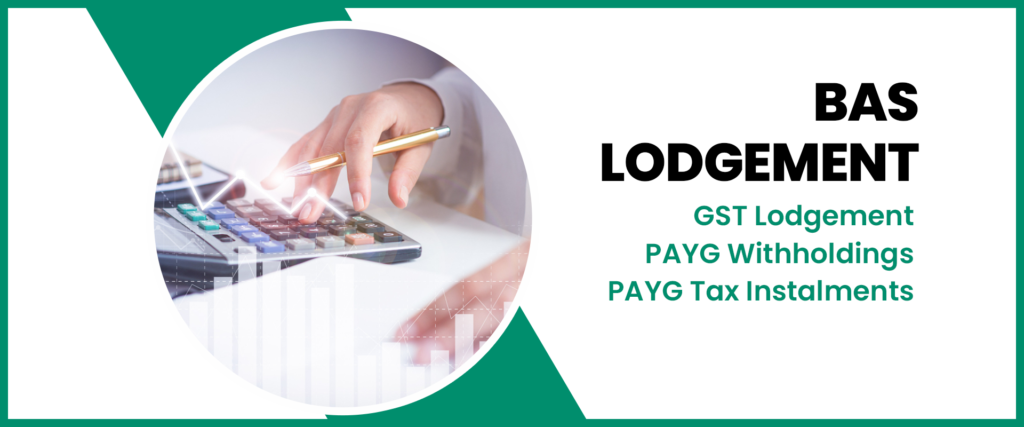
Fuel tax credits are generally claimed through your BAS.
But the BAS label is only the final step.
The real work happens before lodgement.
📌 A Proper FTC Process Usually Includes
🔹 Collecting all fuel invoices and receipts
🔹 Separating business and private use
🔹 Splitting on-road and off-road fuel usage
🔹 Calculating eligible litres
🔹 Applying the correct ATO rate
🔹 Keeping worksheets and supporting records
Businesses relying only on accounting software totals without reviewing fuel use categories can easily create BAS errors.
𝐒𝐭𝐞𝐩-𝐁𝐲-𝐒𝐭𝐞𝐩 𝐅𝐮𝐞𝐥 𝐓𝐚𝐱 𝐂𝐫𝐞𝐝𝐢𝐭 𝐏𝐫𝐨𝐜𝐞𝐬𝐬
✅ Step 1 — Confirm Eligibility
Check that your business is registered and the fuel use qualifies.
✅ Step 2 — Gather Fuel Records
Collect invoices, receipts, supplier statements, and fuel card reports.
✅ Step 3 — Separate Fuel Use
Split:
- Business use
- Private use
- Road use
- Off-road use
✅ Step 4 — Calculate Eligible Litres
Claims should be based on litres used, not simply fuel spend.
✅ Step 5 — Apply Correct Rates
Use the applicable ATO rate for the relevant BAS period.
✅ Step 6 — Lodge Through BAS
Enter the final fuel tax credit amount correctly in your BAS.
✅ Step 7 — Retain Supporting Records
Keep:
- Logbooks
- Worksheets
- Equipment records
- Odometer logs
- Fuel invoices
𝐂𝐨𝐦𝐦𝐨𝐧 𝐅𝐮𝐞𝐥 𝐓𝐚𝐱 𝐂𝐫𝐞𝐝𝐢𝐭 𝐌𝐢𝐬𝐭𝐚𝐤𝐞𝐬
🚫 Frequent Problems Businesses Face
🔸 Claiming all diesel under one rate
🔸 Including private vehicle fuel
🔸 Poor record keeping
🔸 Missing invoices
🔸 Incorrect apportionment methods
🔸 Ignoring generator or auxiliary equipment fuel
🔸 Treating software totals as automatically correct
These errors often create:
- BAS amendments
- ATO review issues
- Reduced claims
- Overclaim risks
𝐑𝐞𝐜𝐨𝐫𝐝 𝐊𝐞𝐞𝐩𝐢𝐧𝐠 𝐈𝐬 𝐂𝐫𝐢𝐭𝐢𝐜𝐚𝐥
Strong records are one of the most important parts of any fuel tax credit claim.
📌 Records Businesses Should Keep
🔹 Fuel invoices and receipts
🔹 Fuel card statements
🔹 Vehicle logbooks
🔹 Odometer records
🔹 Equipment usage logs
🔹 Calculation worksheets
🔹 BAS support documents
The stronger the audit trail, the easier it is to support the claim if reviewed by the ATO.
𝐅𝐮𝐞𝐥 𝐓𝐚𝐱 𝐂𝐫𝐞𝐝𝐢𝐭 𝐂𝐚𝐥𝐜𝐮𝐥𝐚𝐭𝐢𝐨𝐧 𝐄𝐱𝐚𝐦𝐩𝐥𝐞
A construction business purchases 12,000 litres of diesel during a BAS period.
Its records show:
- 8,000 litres used in heavy vehicles on public roads
- 3,000 litres used in excavators
- 1,000 litres used privately
Only the eligible business fuel is included in the claim.
This example highlights why fuel apportionment is essential.
If the business applied one rate to all litres, the BAS claim could become incorrect.
𝐅𝐢𝐧𝐚𝐥 𝐓𝐡𝐨𝐮𝐠𝐡𝐭𝐬
Fuel tax credits can create substantial savings for eligible Australian businesses.
But they should never be treated as a simple cents-per-litre refund.
The safest approach is to:
- Classify fuel correctly
- Use current ATO rates
- Maintain strong records
- Separate eligible and ineligible fuel use carefully
- Review BAS calculations before lodging
Businesses with mixed fuel usage, heavy vehicles, generators, machinery, or prior BAS errors should review fuel tax credit calculations carefully before claiming.
📞 𝗧𝗮𝗹𝗸 𝘁𝗼 𝗦𝘂𝗽𝗲𝗿𝘁𝗮𝘅 𝗧𝗼𝗱𝗮𝘆
🌐 Supertax
📍 Suite 1, 7 Bridge St, Werribee VIC 3030
📞 (03) 7074 8818
📧 info@supertax.com.au
#FuelTaxCredits #BAS #SmallBusinessAustralia #Bookkeeping #ATO #TaxAgent #BusinessTax #Diesel #ConstructionBusiness #Supertax
Other posts